
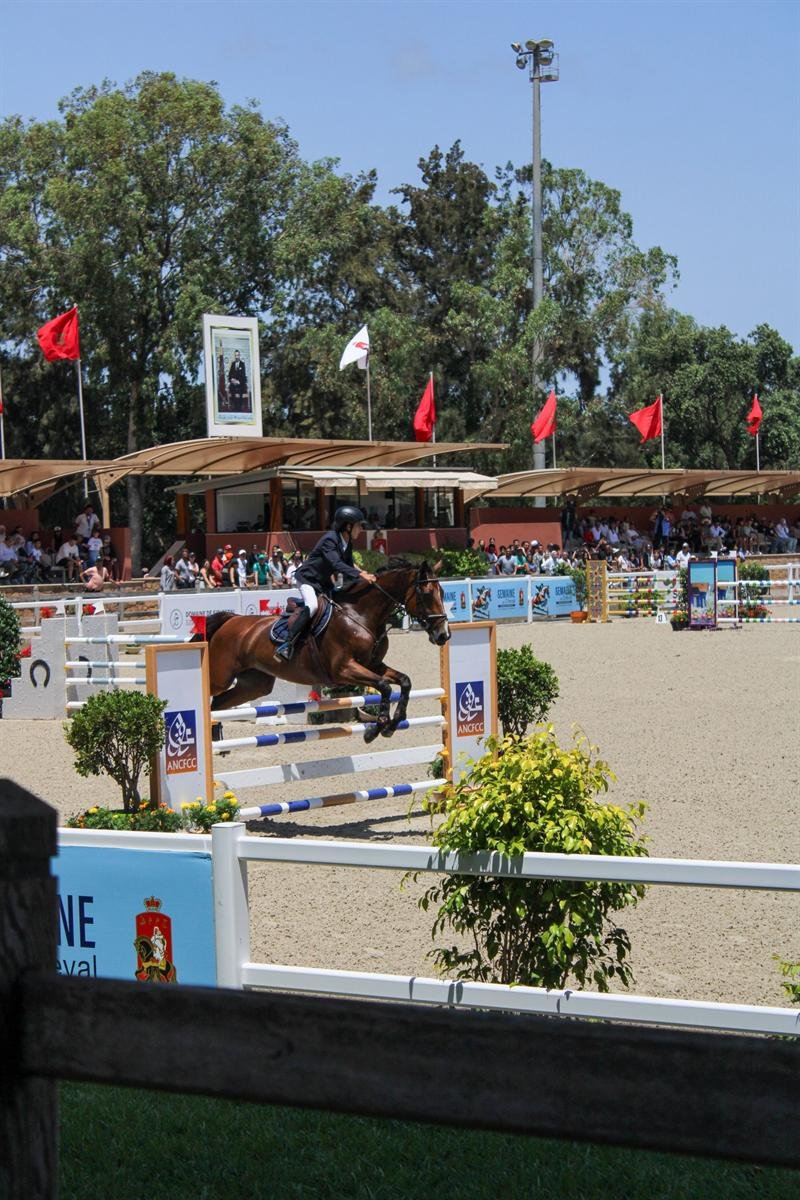
A warmblood horse is not a single breed but a type: a group of continental European sport horse studbooks, selectively bred for dressage and showjumping. They are athletic, trainable and big-moving, and UK riders choose them for competition, but they are also expensive, slow to mature and demanding to keep sound.
| At a glance | |
|---|---|
| Height | Typically 16 to 17.2 hands |
| Typical weight | Roughly 550 to 650 kg |
| Temperament | Willing, trainable, generally calm, can be sensitive |
| Common colours | Bay, brown, black, chestnut, grey |
| Best for | Dressage, showjumping, eventing, amateur and professional competition |
| Origin | Continental Europe (Germany, the Netherlands, Denmark and elsewhere) |
What is a warmblood?
If you are asking what a warmblood is, the short answer is a sport horse type rather than one breed. The name comes from the idea of crossing "hot-blooded" horses such as Thoroughbreds and Arabs with "cold-blooded" heavier farm and carriage horses. Warmbloods developed from local carriage and farm horses, refined with Thoroughbred and Arab blood in the 20th century. Studbooks such as the Hanoverian, Oldenburg, Holsteiner, Dutch Warmblood (KWPN), Westphalian, Trakehner and Danish Warmblood each have their own breeding goals, inspection and grading systems. In Britain, the British Warmblood Society and other registers record sport horses with warmblood lines, and many British-bred sport horses carry warmblood blood.
Warmblood breeds and studbooks
Warmblood breeds differ in emphasis, although all aim to produce an athletic, rideable competition horse. Individual horses vary far more than any generalisation, so treat the table as a rough guide only.
| Studbook | General reputation |
|---|---|
| Hanoverian | Versatile German sport horse, strong in dressage and jumping |
| Oldenburg | Powerful, scopey German type, used across both disciplines |
| Holsteiner | Often associated with jumping ability and athleticism |
| KWPN (Dutch Warmblood) | Modern, athletic and rideable, used widely in dressage and showjumping |
| Trakehner | Lighter, elegant type with more Thoroughbred and Arab influence |
| Westphalian | German sport type used for dressage and jumping |
| Danish Warmblood | Sport horse bred for dressage and jumping |
Hanoverian vs KWPN
Comparing Hanoverian vs KWPN is a very common question, and the honest answer is that both are excellent sport horse studbooks with overlapping goals. Hanoverians are often described as solid, versatile and strong-moving, while KWPN breeding has a reputation for modern, athletic, rideable horses, and the studbook publishes performance indices for its stallions. However, within either studbook, bloodlines differ enormously, so judge the individual horse, its pedigree and its training rather than relying on the name. Seeing the horse move, jump and be ridden matters more than the brand on the passport.
Warmblood temperament
Warmblood temperament is typically willing, trainable and generally calm, which is why the type is so popular with amateur and professional riders. Many are bred for a good work ethic and a relatively rideable mind. But warmbloods can also be sensitive, and some are very big, powerful movers that are a lot to sit on and control. Young horses mature slowly, so patient, correct work matters more than rushing to compete. An amateur rider should be honest about ability and look for a horse with a proven record and a sensible character, rather than the most spectacular mover.
Health and soundness
Warmbloods are large, athletic horses, and the demands of dressage and jumping can stress joints and tendons. General points to consider:
- Large size and slow maturity mean joints and growth plates need sensible, gradual work when young.
- Jumping and collected work can contribute to lameness, arthritis and tendon or suspensory injuries over time.
- Some individuals are prone to back problems, so check saddle fit and have the back assessed regularly.
- Some warmblood lines have inherited conditions, such as osteochondrosis (OCD) in developing joints, so ask your vet what to look for in X-rays at a purchase examination.
- Keep an eye on body condition, as some are good doers and extra weight stresses the legs.
Care guide
A warmblood generally needs a roomy stable, good-quality forage and a balanced diet matched to its work. Keep a steady routine of turnout, because large athletic horses benefit from time to move freely. Routine vaccinations, dental care and worm management apply, and competition horses often need rule-compliant vaccinations. Have feet trimmed or shod regularly by a farrier registered with the Farriers Registration Council. Because many warmbloods are rugged up and clipped for competition, see our guides to rugging and clipping. Consider regular physiotherapy and saddle-fit checks if your horse is in hard work.
Warmblood for sale in the UK
When searching for a warmblood for sale in the UK, be clear about your discipline, your budget and your ability. Work through these steps:
- Decide what you want the horse to do, and how experienced you are.
- Look at the studbook papers, passport and microchip, and understand what grading or performance data the horse has.
- See the horse ridden by the seller, then ride it yourself, and consider a second visit.
- Arrange a thorough vetting, with X-rays discussed with your vet beforehand.
- Consider insurance and read the terms before you commit.
Prices vary very widely, from modest sums for an unbroken youngster to considerable amounts for a proven competition horse, and imported horses add transport and paperwork costs. Our horse prices and buying checklist guides can help.
Training and bringing on a young warmblood
Warmbloods are generally slow to mature, and many are not fully developed physically until five or six years old, so patient, progressive training matters. A young horse should be allowed time to grow, with turnout, sensible handling and gradual work, rather than being pushed into collected work or jumping too soon. Good basics, including straightness, rhythm and relaxation, are more valuable than early flashy movement. See our guides to young horses, backing and schooling.
Many amateur riders find that an older, established warmblood is a safer purchase than a youngster, because its training and character are already visible. If you buy young, budget for professional help, regular lessons and time. Remember that warmblood movement can be very big, so even experienced riders may need time to adapt to a bigger stride and more powerful paces.
Keeping a warmblood sound and happy
Because warmbloods are bred for sport, protecting their long-term soundness is a key part of ownership. Warm up and cool down properly, vary the work between schooling, hacking and jumping, and keep fitness consistent rather than allowing a cycle of rest and sudden hard work. Make sure saddles are checked at least once a year, or more often for a horse in hard work, and have teeth, feet and back assessed regularly. Good turnout supports both joints and mind. A horse that is mentally happy is more likely to work cooperatively, so give it company and routine.
Costs can be considerable, and the more demanding the discipline, the greater the potential spend on lessons, entries, travel, physiotherapy and insurance. Our cost of owning a horse guide gives an overview, and prices vary by region and facilities.
FAQs
What is a warmblood horse?
A type of continental European sport horse, bred for dressage and showjumping, rather than one single breed.
Which warmblood breeds are most common?
Hanoverian, KWPN (Dutch Warmblood), Oldenburg, Holsteiner, Westphalian, Trakehner and Danish Warmblood are among the best known.
Is a Hanoverian or a KWPN better?
Neither is better overall. Both are high-quality studbooks, so judge the individual horse, its pedigree and training.
Are warmbloods good for amateur riders?
Many are, if the horse is sensible and suited to the rider's ability. Very powerful or sensitive individuals can be too much.
How tall is a warmblood?
Typically about 16 to 17.2 hands.
Are warmbloods expensive to keep?
Often more than smaller horses, due to size, feed, farriery and competition costs. Costs vary by region and use.
Useful official resources
- The British Horse Society Owning and caring for horses of every type.
- World Horse Welfare Rehoming and welfare charity.