
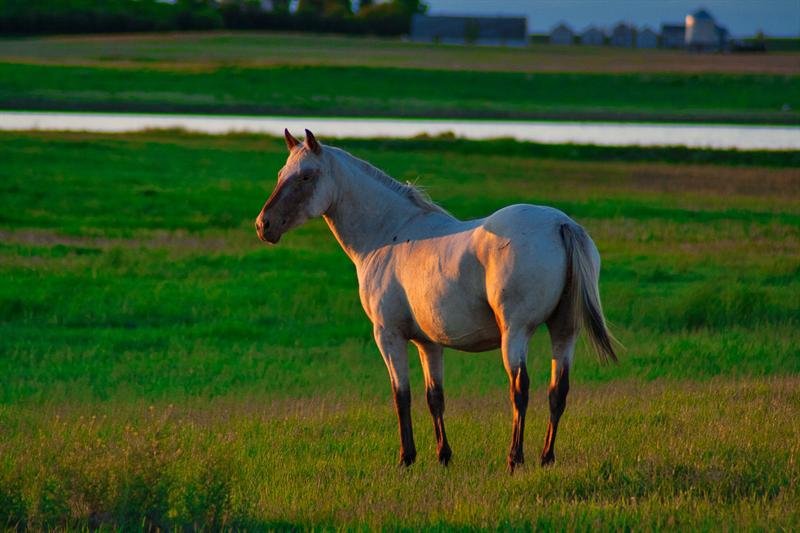
The American Quarter Horse is the world's most numerous breed, a muscular, calm, quick-turning horse bred for short-distance speed and cattle work. In the UK the quarter horse is the natural choice for western riding and a sensible leisure horse, though some bloodlines carry known genetic risks that buyers should ask about.
| At a glance | |
|---|---|
| Height | 14.1 to 16 hands |
| Typical weight | Roughly 450 to 550 kg |
| Temperament | Calm, willing, cooperative, quick to learn |
| Common colours | Chestnut (sorrel), bay, black, dun, palomino, grey and roan |
| Best for | Western riding, reining, trail riding, leisure |
| Origin | United States |
American Quarter Horse history
The breed grew from colonial horses crossed with imported English Thoroughbreds. They were bred to sprint a quarter of a mile, hence the name, and then used on ranches for working cattle. The American Quarter Horse Association was founded in 1940, and the breed is now popular for western disciplines and pleasure riding across Europe. In the UK, breed and western riding associations support owners and competitors.
Quarter horse conformation and size
The American Quarter Horse is compact and powerfully built, with a broad chest, deep girth, short back and strong, muscular hindquarters. Most stand between about 14.1 and 16 hands, with two broad types. Stock type horses, bred for western work and halter, are stockier and heavily muscled. Racing type horses are taller and leaner, closer to a Thoroughbred in build. Both have a short, efficient stride and a low head carriage that suits western work. Their build is good for acceleration and turning, but heavily muscled types may need careful management of weight and workload.
Quarter horse temperament
Quarter horse temperament is the breed's best-known strength. Most are calm, cooperative and quick to learn, with a "cow sense" and responsiveness that suit work with a light rein. That sensible nature makes many a good all-round horse for confident novices and families, though like any breed individuals differ: some are sensitive or strong, and a horse that has been shown or raced hard may need time to settle. Good groundwork and a calm, consistent approach bring out the best in them.
Quarter horse and western riding
In Britain, quarter horses are most closely associated with western riding. They excel in reining, working equitation-style and ranch classes, barrel racing, cutting and trail classes, and they also adapt readily to English tack for hacking and local shows. Many riders enjoy their natural responsiveness and balanced, short-striding gaits. If you are new to the discipline, take lessons from an instructor with western experience, as the aids and tack differ from English riding.
| Activity | Why a quarter horse suits it |
|---|---|
| Reining and ranch classes | Agile, responsive and bred for quick turns and stops |
| Trail and leisure riding | Calm, sensible and comfortable to sit |
| Hacking | Generally steady and willing in English tack |
| Showing | Distinct breed and halter classes |
Quarter horse hyperkalemic periodic paralysis (HYPP)
Hyperkalemic periodic paralysis, or HYPP, is an inherited muscle condition linked to a gene mutation traced to one influential stallion. Affected horses can have episodes of muscle tremors, weakness or collapse, and some may show an unusual noisy breathing pattern. It is mainly an issue in halter-bred bloodlines, and a DNA test is available. Horses with two copies of the mutation are generally more severely affected. If you are looking at a heavily muscled halter-type horse, ask for the HYPP status and the test certificate, and discuss management with your vet. Diet and management can influence episodes, but only your vet can advise for an individual horse.
Other health considerations
Several other genetic and management issues are worth knowing about, and a DNA panel offered by breed testing labs can screen for some of them:
- Glycogen branching enzyme deficiency (GBED): a fatal condition in foals, relevant to breeders.
- Hereditary equine regional dermal asthenia (HERDA): a skin condition caused by weak connective tissue, mainly seen in some working bloodlines.
- Polysaccharide storage myopathy (PSSM): a muscle disorder that can cause stiffness and tying-up; it is also seen in other breeds.
- Malignant hyperthermia: a rare inherited condition that can be triggered by anaesthesia.
- Navicular and foot problems: small feet on a heavily built horse may be a concern, so good hoof care and conformation checks matter.
- Weight: easy keepers can gain weight quickly, raising the risk of laminitis.
Quarter horse care guide
Day-to-day care is much the same as for any leisure horse, with a few extras. Feed according to workload and condition, and ask your vet or a qualified nutritionist about diet if your horse has a muscle disorder. Keep up regular vaccinations, dental checks and worm management, and have feet trimmed or shod by a farrier registered with the Farriers Registration Council. Western tack needs a saddle that fits a broad, muscular back, so a professional saddle fitter is a good idea. Keep the horse in regular, varied work to avoid boredom and weight gain.
Quarter horse for sale in the UK
If you are looking for a quarter horse for sale in the UK, use a careful checklist:
- Ask for registration papers, the passport and microchip details, as required by DEFRA rules.
- Request the results of genetic tests where relevant, particularly HYPP for halter-type horses.
- See the horse ridden and handled, and ideally ride it yourself, in both western and English tack if you plan to use both.
- Ask about its history in showing, racing or ranch work and why it is being sold.
- Arrange a full vetting and read our buying checklist.
Prices vary widely with age, training, breeding and region. Imported horses add paperwork and transport costs, so ask what is included.
Training and handling a quarter horse
Quarter horses are usually quick to learn and respond well to a quiet, clear approach. Start with good groundwork, teach them to yield to pressure and stand patiently, and bring them into ridden work at a pace that suits their maturity. They are often described as "easy to get along with", but that does not mean no training is needed, because a quarter horse that learns to ignore light aids can become dull or pushy. See our guides to groundwork and young horses.
Many UK quarter horses are imported or descend from imports, so ask about their history, including how they were started, what tack they are used to and whether they are comfortable in a snaffle as well as in a western bit. If you want to cross over between English and western, introduce changes slowly so the horse understands what is asked.
Is a quarter horse right for you?
A quarter horse suits riders who want a calm, handy, versatile horse for western disciplines or relaxed leisure riding, and who are prepared to check bloodlines and genetic test results before buying. It may suit you less if you want a very tall, long-striding horse for English competition, as the breed is generally more compact than a typical sport horse. Sound judgement on temperament, conformation and training matters more than the breed name. Make a list of what you want the horse to do, and keep to it when you view. Our first horse guide can help if this will be your first purchase.
FAQs
What is a quarter horse used for?
Mainly western riding, such as reining and trail work, plus leisure riding and showing.
Are quarter horses good for beginners?
Many are calm and cooperative, which suits confident novices, but each horse should be assessed individually with a good instructor.
What is HYPP in quarter horses?
An inherited muscle condition causing episodes of tremors or weakness, mainly in some halter bloodlines. A DNA test is available.
How tall is a quarter horse?
Typically about 14.1 to 16 hands.
Are quarter horses easy keepers?
Many are, and some gain weight easily, so monitor condition and exercise regularly.
Can I ride a quarter horse in English tack?
Yes, many adapt well to hacking and local competition in English tack, as long as the saddle fits.
Useful official resources
- The British Horse Society Owning and caring for horses of every type.
- World Horse Welfare Rehoming and welfare charity.