
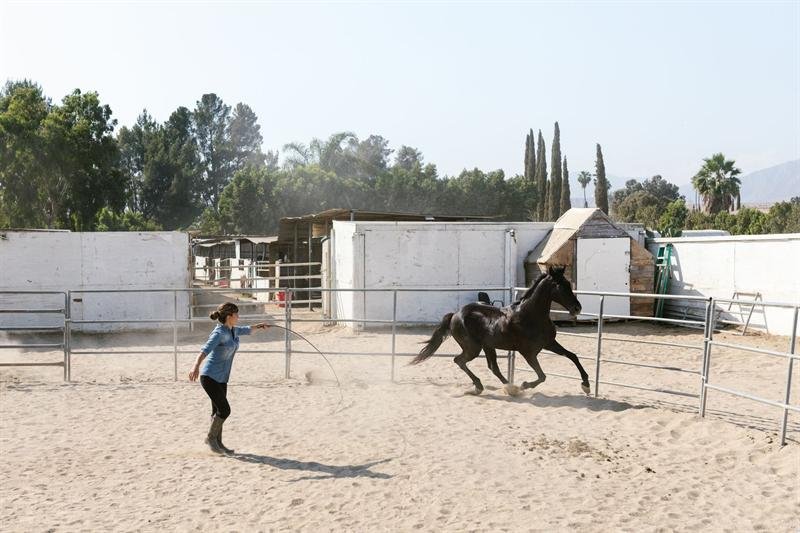
Horses buck because they are excited, uncomfortable, unbalanced, frightened or trying to get rid of something that hurts. A single playful buck on a windy day is normal, but repeated or sudden bucking under saddle is a message to investigate, starting with saddle fit, the horse's back and teeth. If the bucking is dangerous, stop riding and get qualified help.
Why do horses buck?
Bucking is a powerful movement in which the horse lowers its head and kicks out with the hind legs. Loose horses do it for fun, in play or on release into the field. Under saddle it is more likely to be a response to something: pain, tack, excess energy, fear or confusion. Looking at the circumstances often points to the likely cause.
| Cause | What it often looks like |
|---|---|
| Saddle or tack discomfort | Bucking soon after mounting or in transitions; worse with certain saddles or girths |
| Back, hind-limb or neck pain | Bucking when asked to canter, jump or work on a circle; stiffness, reluctance to bend |
| Gastric ulcers | Girthiness, poor performance, resistance, sometimes changes in appetite or condition |
| Cold-backed | Humping or bucking as you mount or in the first few minutes of work |
| Excess energy | Bucking in canter or on turnout, particularly after days off or rich grazing |
| Rider balance or rough aids | Bucking when the rider bounces, grips or catches the mouth |
| Fear or confusion | Bucking when asked something the horse does not understand or fears |
| Dental or bit discomfort | Head tossing, tension and bucking when contact is taken up |
Horse bucking under saddle: rule out pain first
Pain is one of the most common reasons for bucking under saddle, so it should be the first thing you investigate. Horses cannot tell us when something hurts, and many show it through behaviour. Check these before you decide the problem is training:
- Vet. Ask for a lameness and back check. Discuss whether gastric ulcers, kissing spines, sacroiliac problems or hind-limb pain could be involved. Some conditions need specialist diagnostics, such as scans or gastroscopy.
- Saddle. Book a qualified saddle fitter. A saddle that fitted for years can stop fitting as muscle and weight change. See saddles and saddle pads.
- Girth. A tight, pinching or poorly shaped girth can cause bucking, especially in canter. See girths.
- Teeth and bit. A sore mouth can make a horse tense and explosive. See dental care and bits.
- Feet. Unbalanced or sore feet change how a horse moves and can affect the back. See hoof care.
Why does my horse buck when cantering?
Bucking in the transition to canter, or in canter itself, is very common and has several possible causes. The canter transition asks the horse to push from behind, lift its back and carry weight on the hind legs, so any hind-limb, back or sacroiliac pain tends to show up there. A saddle that is too tight over the withers or pinches in the back can restrict the shoulder and encourage the horse to buck. A fresh horse may buck out of high spirits, and an unbalanced rider who tips forward or catches the horse in the mouth can provoke a buck. If it only happens on one rein or in one corner, that is a useful clue: note it down and tell your vet. Repeated bucking in canter should be treated as possible pain until proven otherwise.
How to stop a horse bucking: work through a sensible order
- Vet first. Get a full check, including lameness, back and mouth, and discuss ulcers and specialist tests if needed.
- Saddle fit. Have the saddle checked by a qualified fitter, and the girth and pad assessed too.
- Teeth and bit. Book an equine dental check and review the bit and bridle fit.
- Physiotherapy. A chartered veterinary physiotherapist working with your vet's agreement can help tight, sore muscles. See equine physiotherapist.
- Workload and diet. Reduce unnecessary sugary feed, increase turnout and make sure the horse is fit for the work asked. Introduce changes gradually.
- Rider. Have an instructor watch you. Many bucks happen because of subtle balance issues in the rider, and a lesson can help you both.
- Training plan. Once pain is addressed, work with a qualified trainer on clear transitions, balance and confidence.
Riding a buck
If a horse bucks, sit tall with your weight in your heels, lean slightly back and keep your hands low and steady. Lift the head with the reins if you can, and keep the horse going forward, because a horse with its head up and moving finds it harder to buck. Do not lean forward or grip with your knees. If you do come off, ensure you are safe first and do not fight the horse on the ground. Wear a hard hat and a body protector, and consider riding only where you have help nearby while the cause is investigated. See riding safety.
Preventing bucking: preparation matters
- Warm up on the ground with a few minutes of walking, or lunge the horse if appropriate and safe. See lunging.
- Mount calmly from a block, keeping the girth snug but not tight, and tighten it gradually.
- Let a cold-backed horse walk on a loose rein for several minutes before asking for more.
- Increase turnout, and ride before the horse is overly fresh, rather than after long days in the stable.
- Build up work gradually after time off.
Young horses and bucking
Young horses may buck as they learn to balance a rider, or because the saddle and girth are new. Slow, patient early work with a qualified trainer, in small steps and with a rider who is balanced and light, reduces problems. See backing. If a youngster bucks repeatedly, check its comfort and growth stage with your vet and do not push on.
FAQs
Is bucking always a sign of pain?
No. Fresh horses buck with joy. But repeated bucking under saddle should always be treated as possible pain until proven otherwise.
Can I school bucking out of a horse?
Not if the cause is physical. Once pain is treated and the rider is well balanced, training can reinforce good habits.
Why does my horse buck when I ask for canter?
Common causes are back or hind-limb pain, a poorly fitting saddle or girth, being unbalanced, or high energy. Get your vet and saddle fitter to check first.
Is a young horse bucking normal?
Young horses may buck as they learn to balance a rider. Slow, patient early work with a qualified trainer reduces problems.
What does "cold-backed" mean?
A cold-backed horse tenses, dips or bucks when first mounted or in the early minutes of work. It can be linked to discomfort, so ask your vet and saddle fitter to check.
Do gadgets stop bucking?
Gadgets do not fix the cause and may add discomfort. Seek professional advice before using any piece of equipment.
Useful official resources
- World Horse Welfare: advice Behaviour and welfare guidance.
- RCVS Find a Vet Rule out pain with an equine vet.
- British Horse Society: horse care and welfare Handling and behaviour advice.