
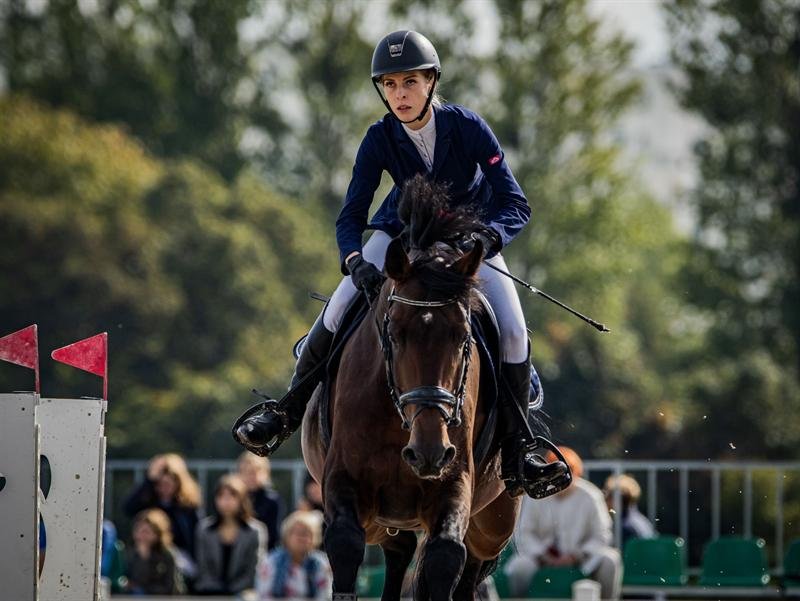
Riding club competitions offer some of the friendliest, best-value competition in the UK, with team events in dressage, showjumping, cross-country and more. Local clubs affiliated to the British Horse Society run training days and club events, and connect to the British Riding Clubs (BRC) championships for those who want to go further.
This guide explains what a riding club offers, how British Riding Clubs team events work, how to join a riding club and why this is one of the best routes into affordable horse competitions in the UK. Disciplines, qualifying rules and fees change each season, so check with your club and the current BRC rulebook.
What a riding club offers
- Instruction days, clinics and lectures at modest cost.
- Team competitions in which members represent the club.
- Social rides, quizzes, and stable management events.
- Access to experienced members and instructors who can answer questions.
- A supportive route into competing without major expense.
Clubs vary a great deal. Some are large with a packed calendar and regular teams; others are small and informal. Visiting a few before you commit is a good idea.
British Riding Clubs competitions and formats
British Riding Clubs competitions are typically team-based, with individual awards as well. Disciplines vary by year and region but commonly include dressage, showjumping, cross-country, arena eventing, show classes and quizzes. Many are open to different heights and levels, so a rider with a modest horse can still contribute. Results lead to area and regional qualifiers, with finals for the best teams. Check the BRC rulebook for the current list of disciplines and eligibility.
| Level | What it means |
|---|---|
| Club events | Run by your club, often informal and low cost |
| Area qualifiers | Clubs from the area compete for places at the next stage |
| Regional and national finals | The best teams and individuals qualify |
How riding club team events work
In a team event, several riders from the same club ride the same type of class and their scores are combined. The usual pattern is that a team has a set number of riders and the best scores count towards the team total, so one difficult round does not necessarily ruin the day. Teams are often chosen by the club's team captain or organiser, and clubs usually welcome new riders who are willing to have a go.
Common team formats include:
- Dressage: riders perform tests at set levels, with team scores combined.
- Showjumping and cross-country: riders jump rounds over courses at different heights, so there is a class to suit most horses.
- Arena eventing: showjumping fences and cross-country style obstacles in one arena.
- Quizzes: teams answer questions on horse care and knowledge, which suits riders who are not currently competing.
How to join a riding club
- Search for clubs near you through the British Horse Society.
- Contact the club secretary and ask about membership, meetings and upcoming events.
- Check what insurance and BHS membership is needed. Many clubs require both.
- Attend a training day or social event before committing.
- Ask what kinds of team events the club enters, and whether your horse and level would fit.
- Offer to volunteer; clubs rely on helpers and it is a quick way to make friends.
Affordable horse competitions in the UK
Riding clubs are among the most affordable ways to compete. Entry fees at club events and many BRC competitions are generally modest compared with larger affiliated shows, and you share the cost of travel and the organisational work with other members. Membership fees vary by club and region. As a rough budgeting approach, plan for annual membership, any required BHS membership and insurance, entries, transport and the cost of lessons, and compare them with what you would spend elsewhere. Costs in 2026 vary by region, so ask clubs directly.
If your budget is tight, look at owning a horse on a budget for wider ideas on keeping costs down.
Is a riding club right for you?
Riding clubs suit adult riders, juniors, people returning to riding and anyone who enjoys team spirit. They are particularly useful if you want to compete but find affiliated shows intimidating. Many competitions are aimed at ordinary leisure horses, though your horse should be fit, sound and prepared for the class. You do not need to own a horse in some cases, but check the club rules. If you are keen on structured progression, also look at British Dressage or British Showjumping, and read the competition rules for hat and tack requirements.
Preparing for your first club competition
- Read the schedule for class details, heights and entry closing dates.
- Check your hat, tack and clothing against the rules.
- Practise the test or course at home first. See riding lessons if you want help.
- Check your horse is fit, healthy and has an up-to-date passport and vaccinations.
- Allow plenty of time for travel and warm-up.
- Talk to your team captain about the plan and how you can support teammates.
Getting the most from your membership
Riding clubs reward members who turn up. Go to the training days and social rides, because they are where you meet people who can lend advice, share transport or tell you which local shows are friendly. Volunteer at club events as a steward, scorer or helper, which teaches you how competitions are run and helps you understand the judging. Ask more experienced members to watch you ride, and consider team roles beyond riding, such as helping with the quiz team or organising a practice day.
Riding club competitions compared with other routes
Compared with larger affiliated shows, club competitions are usually smaller, closer to home and more relaxed, with more emphasis on team spirit and learning. They can be a useful stepping stone if you later want to try eventing or other affiliated sport, because you learn how to prepare, walk a course and ride a test in a lower-pressure setting. They also suit people who simply want regular, enjoyable goals for themselves and their horse without committing to the expense of the higher levels.
Questions to ask a club before joining
- How many members are active, and how often do events and training days run?
- Which disciplines does the club enter as teams, and at what levels?
- What are the membership fees, and are BHS membership and insurance required?
- Do you have to own a horse, and can you ride at lower levels first?
- Is there a junior section, or are there regular beginner-friendly events?
FAQs
Do I need a competition horse?
No. Many riding club competitions are aimed at ordinary leisure horses, though they should be fit and prepared for the class.
How much does it cost?
Membership and entry fees vary by club and region and are generally modest compared with larger affiliated shows.
What are British Riding Clubs?
BRC is the competition network for riding clubs affiliated to the British Horse Society, with team events leading to area, regional and national finals.
Can I compete as an individual?
Often yes. Many events have individual awards alongside team results, but check the schedule.
Do I need to own a horse?
Not always. Some clubs offer opportunities for riders without their own horse, though availability varies, so ask the club.
How do I find a riding club near me?
Search through the British Horse Society, ask at local yards and instructors, and contact the club secretary to attend an event first.
Useful official resources
- British Dressage Rules, levels and how to register.
- British Showjumping Rules, classes and membership.
- British Eventing Levels, rules and entries.
- The Pony Club Competitions and rallies for young riders.