
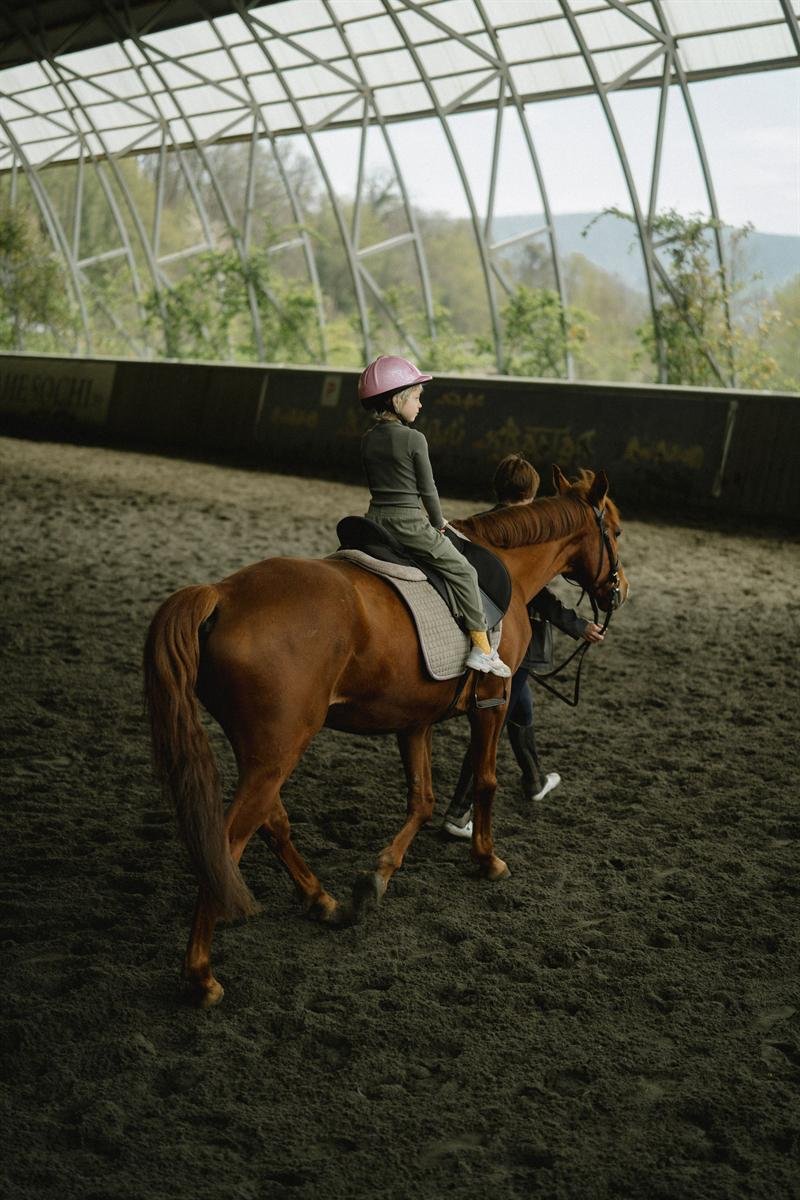
To start a riding school in the UK you need a riding establishment licence from your local council, suitable premises with planning permission, qualified and insured staff and a string of safe, sound school horses. It is a rewarding but demanding business with high fixed costs, so plan carefully before you commit land and money.
Is starting a riding school right for you?
Before anything else, be honest about the business model. A riding school sells instruction, safety and enjoyment, but its biggest assets are living animals that need feeding, shoeing and care every day of the year whether or not lessons are booked. Income is seasonal, weather-dependent and tied to what local families and adults can afford. Many successful owners are experienced instructors who have worked in a school first, understand horse workload and have a sensible head for money. If you love horses but dislike staff management, customer service and paperwork, this may not be the right route.
There are lower-risk ways in. You could rent a small yard, run a limited number of private lessons with your own horses, or work as a freelance instructor travelling to clients and build up gradually. Each step teaches you about demand in your area before you take on a full licence and a full string.
Riding school licence in the UK
In England, a riding establishment needs a licence from the local council under the Animal Welfare (Licensing of Activities Involving Animals) (England) Regulations 2018. The process includes an inspection by a council-appointed vet and inspector. Licences are awarded for one to three years, with a star rating that reflects how well you meet higher standards. Conditions cover the suitability of premises, horses, staffing, record keeping, fire safety, emergency plans and supervision of riders. Scotland, Wales and Northern Ireland use different laws, so contact the licensing team at your local authority to find out what applies to you.
Do this before you buy horses or build anything, because the inspection may highlight changes you need to make. Councils differ in how they run the process, so speak to the licensing officer early and ask what they will look for.
Riding establishment licensing: what inspectors look at
- Whether the horses are suitable for the work, in good health and not overworked.
- Stabling, turnout, fencing, water and feed storage.
- Instructor qualifications and how riders are supervised, especially children and beginners.
- Records of horses, vet and farrier visits, lessons and incidents.
- Fire safety, emergency procedures and first-aid provision.
- Insurance cover and the rules you set for riding hats and footwear.
Planning permission and premises
You will almost certainly need planning permission for a change of use if your land is not already used for equestrian business, and for permanent buildings, arenas and lighting. Councils consider traffic, noise, drainage and the impact on neighbours. Talk to the planning department before you buy or rent a site, because a property that looks perfect can turn out to be undevelopable.
Think about what a safe, practical yard needs:
- Stabling and turnout for every horse, with safe fencing and clean water.
- An all-weather arena, ideally with lighting or an indoor school for year-round income.
- Hacking routes, ideally off-road, and safe access and parking for customers’ cars.
- A mounting block, tack room, feed and bedding storage and a clean muck heap area.
- A first-aid point, clear fire safety arrangements and somewhere for parents to wait.
Our guide to stable design covers layout, ventilation and safety in more detail.
Horses for a riding school
School horses need to be safe, sensible and sound, and you need enough of them to cover lessons without overworking any one animal. Look for calm, forgiving characters with good manners in traffic, in the arena and when handled by beginners. Age, size and temperament should match the riders you plan to teach. Always have a new horse vetted before you buy; see vetting.
Plan for the whole life of each horse. Budget for vet bills, farriery, dental care, vaccinations and worming strategy, plus a rest and retirement plan. A horse that has done his years in the school deserves a proper future, and so do the people who ride him, which is why record keeping and honest workload limits matter.
Staff and qualifications
Your instructors are the heart of the business. Staff should hold relevant qualifications such as British Horse Society teaching awards, plus first aid and safeguarding training where children are involved. Check employment law carefully: employers’ liability insurance, contracts, holiday pay and the National Minimum Wage all apply, and apprenticeships can help you train future instructors. Our guide to becoming a riding instructor explains what qualified teachers will have done, and groom roles often make up the rest of a yard team.
Insurance
Expect to need public liability insurance, employers’ liability, cover for horses in your care and cover for buildings and contents. Policies for riding schools are specialist, and insurers may ask about your licence, staff qualifications and hat policy. Compare quotes from specialist equine brokers and read exclusions carefully. See equestrian business insurance for more.
How much does it cost to open a riding school?
There is no single figure, because costs depend heavily on whether you own or rent land, how much needs building and how many horses you start with. Your main outgoings are land or rent, horses, feed and bedding, staff, insurance, vet and farrier bills, maintenance and marketing. Costs vary by region and have risen in recent years, so get real quotes rather than relying on rules of thumb.
| Cost area | What to budget for |
|---|---|
| Land and buildings | Purchase or rent, rates, planning fees, stables, tack room, parking |
| Arena and facilities | Surface, drainage, fencing, lighting, possible indoor school |
| Horses | Purchase and vetting, tack, rugs, then yearly feed, bedding, farrier, vet and dental |
| Staff | Wages, training, first aid and safeguarding courses, cover for sickness and holidays |
| Licence and insurance | Council fees, vet inspection, public and employers’ liability, horse and buildings cover |
| Running costs | Utilities, repairs, waste disposal, bookings software, marketing, safety equipment |
Many first-time owners start with more optimism than reserves. Build a business plan and a cash-flow forecast that cover at least the first two years and include winter, when income often dips and costs rise.
Writing a riding school business plan
- Research your local market: how many schools already operate nearby, what they charge and what gaps exist, for example adult beginners, pony days or special needs riding.
- Decide your offer: group lessons, private lessons, hacks, pony parties, holiday clubs, livery or a mix.
- Work out your capacity: how many horses, how many lessons a horse can safely do per day and week, and how many hours your instructors can work.
- Cost everything honestly using real quotes, then price lessons to cover costs and a margin for rainy days and vet bills.
- Plan your marketing and booking system, from a clear website to local social media and links with schools and clubs.
- List risks and a response for each: a key horse going lame, an instructor leaving, a bad winter, a rise in feed prices.
Group and private lessons, pony days, holiday clubs, parties and livery can all add income, but each needs time, staff and space. Our guide to starting a livery business shows how livery can sit alongside lessons.
Safety, safeguarding and reputation
Riding is a risk sport, so your reputation rests on safe practice. Insist on correctly fitted, up-to-date riding hats, suitable boots and sensible clothing. Match riders to horses carefully, keep lessons supervised and record every incident. If you teach children, have a safeguarding policy, a named lead and appropriate checks for staff and volunteers. Voluntary approval from the British Horse Society or a similar body is not compulsory, but many customers look for it as a quality mark.
FAQs
Do I need a licence to run a riding school?
Yes. In England you need a licence from your local council before you offer riding lessons or hire out horses. Other UK nations have their own rules, so check with your local authority.
Do I need BHS approval?
No, it is voluntary, but approval is a recognised quality mark that many customers look for.
How long does licensing take?
It varies by council, so allow several weeks to months and speak to the licensing team early.
Can I teach without a qualification?
Licence conditions and insurers generally expect qualified instructors, so check before you hire or teach yourself.
How much does it cost to start a riding school?
It depends on land, facilities and the number of horses, and it varies by region. Costs are substantial, so get quotes and build a realistic two-year forecast before you commit.
Can I run a riding school from a rented yard?
Often yes, and it is a sensible way to start, but your licence, planning position and landlord’s consent must all allow it. Get this agreed in writing.
Useful official resources
- ABRS The Association of British Riding Schools.
- British Grooms Association Employment guidance for grooms and employers.
Run a riding school?
We are building the UK’s most useful directory of riding schools. If you run a licensed riding school, list your business with HorseyChick.