
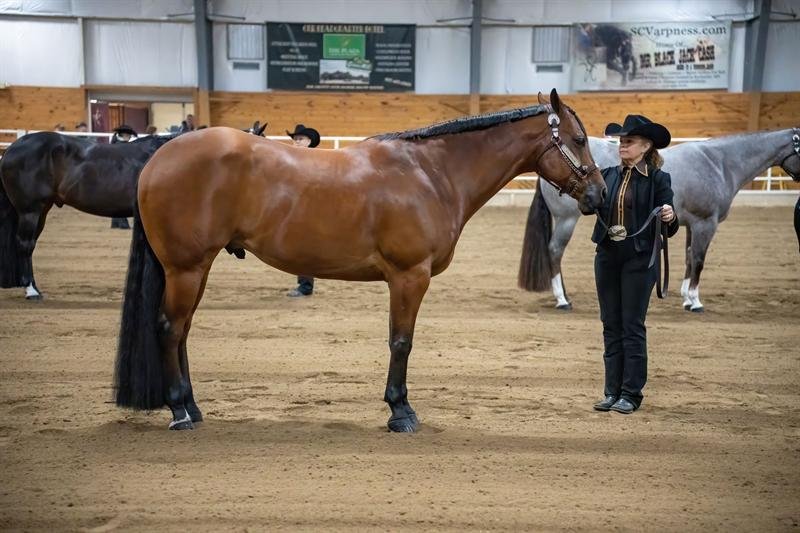
Horse showing is a form of competition in which a judge compares each horse or pony with the ideal for its type, looking at conformation, movement, manners and overall presentation. The UK has one of the biggest showing scenes in the world, from village fun classes to affiliated championship finals, and you can begin on a modest budget with a sound, well-mannered horse and a willingness to learn.
How horse showing works
Unlike dressage or showjumping, there is no fixed score to beat. In most classes the judge places the horses in order of merit on the day, so showing rewards a horse that suits its class, is beautifully prepared and performs calmly in front of a crowd. A typical class has several parts: horses enter the ring and walk, trot and canter as a group, each is then called in for an individual show, and the line-up finishes with a conformation inspection and a final order of merit. Placed horses receive rosettes, and in affiliated classes also qualifying points towards finals.
Because opinions differ between judges, results can feel unpredictable at first. Showing people often say that you should enjoy the day, learn from the ringside and try again with a different judge. Our judging guide explains how scoring and placing work across disciplines.
Showing classes explained
Choosing the right class is the single biggest factor in how well you do. Entering a horse in a class that does not suit its type is the most common beginner mistake. The table below summarises the main groups, although each society has its own schedule and definitions, so always read the class descriptions.
| Class type | What is judged | Suits |
|---|---|---|
| In-hand | Conformation, movement and presence when led and trotted up | Youngstock, veterans, mares with foals, horses not yet ridden or not currently being ridden |
| Ridden hack and riding horse | Elegant, floating paces, excellent manners and a quality look | Refined, well-schooled horses |
| Cob | Stronger, stocky type with good manners and a comfortable ride | Sensible cobs; see cob |
| Hunter | Substance, correct conformation, a ground-covering stride and a workmanlike attitude | Bigger, strongly built riding horses |
| Working hunter | A round of natural-looking fences, then a show and conformation judging | Bold, balanced jumpers with good manners |
| Native breed and mountain and moorland | Breed type and characteristics, movement, and presentation in the breed style | Welsh, Connemara, Highland and other natives; see horse breeds |
| Show pony and show hunter pony | Quality, pony type, balance and rider suitability by height section | Smart ponies and young riders |
| Family, fun and companion classes | Temperament, happy partnership and sometimes the owner as much as the horse | Leisure horses and first-timers |
In-hand showing
In-hand classes are a gentle introduction because you do not need to ride. You lead the horse in a neat bridle or showing halter, walk and trot up for the judge in a straight line and then stand the horse up for inspection. The judge usually asks to see the horse walk away and trot back. Handlers dress smartly and wear sensible, flat footwear, because you will be running alongside the horse.
Ridden showing
Ridden classes usually begin with the whole class walking, trotting and cantering around the ring. After that each horse performs its own show, often a short routine showing the paces and a gallop in some types of class, before being ridden or stripped for inspection. Judges may ask a rider to dismount so they can feel the horse and watch it move without a rider.
What judges look for
Judges compare each entry with the class ideal. For most types they consider conformation (the shape and proportion of the horse), the quality of the paces, manners and obedience, and general impression. Horses should move straight, with a clear rhythm and active hocks, and look at ease under the rider. A well-behaved horse that is a touch plain often beats a flashy one that misbehaves.
- Conformation: balance, proportion, correct limbs and a good top line.
- Way of going: straight, free-moving, rhythmic paces.
- Manners: stands quietly, accepts handling, goes forward willingly.
- Condition: healthy weight and muscle, not too fat and not too lean.
- Suitability: the horse looks right for the class and the rider is suited to the horse.
Read each society's rules as well, since conformation points and permitted dress vary. See competition rules for general guidance.
Turnout and preparation
Presentation is a big part of showing. Judges notice careful grooming, and the effort tells them you care about your horse. Start preparing days before a show, not on the morning.
| Area | What matters |
|---|---|
| Coat and body | Clean, healthy and well-groomed, with a natural bloom from good feeding and regular brushing |
| Mane and tail | Plaited, pulled or left natural according to class and tradition; check the society rules |
| Feet | Neat, trimmed and, if used, tidy hoof oil or polish |
| Tack | Clean, supple and well-fitting, in a style appropriate to the type of horse |
| Rider | Smart, traditional dress with a hat meeting the current safety standard |
Good turnout starts with good grooming and sensible management. Bathing the day before, rather than on the show morning, leaves time for the coat to dry and settle. Take a small kit for last-minute touch-ups, including a towel, a body brush and a hoof pick.
How to start showing a horse
- Visit a local show and watch several classes before entering anything yourself.
- Decide which class suits your horse's type, age and level of training.
- Practise the basics at home: leading, trotting up on a straight line and standing square for inspection.
- Enter a small, unaffiliated class such as a fun in-hand, veteran or companion class.
- Make a checklist for show day: passport, tack, grooming kit, water, hay and your entry confirmation.
- Arrive early, give your horse time to look around and warm up quietly.
- Join a show society, such as the British Show Pony Society or the British Show Horse Association, if you want to qualify for affiliated finals.
Practice makes the biggest difference. If your horse struggles to stand quietly, work on groundwork first, using ideas from our groundwork guide.
Affiliated and unaffiliated showing
Unaffiliated shows are run by local committees and are open to everyone, often on the day. They are cheaper, friendlier and a good learning environment. Affiliated shows follow a society's rules, may require membership, registration of the horse and sometimes height or age certificates, and award qualifying points for finals. Big events, such as the Horse of the Year Show, take qualifiers from affiliated classes. Rules change, so check each society's current handbook.
Costs and what to budget
Costs vary hugely by region and level. As a rough guide in 2026, expect entry fees of a few pounds to perhaps £20 or more per class at local shows, with affiliated shows costing more, plus transport, fuel and grooming supplies. Membership of a society is an additional annual cost. Showing extras, such as a show jacket, a quality hat and a plain, well-fitting saddle, can add up, so buy second-hand where safe to do so, though never buy a second-hand hat. See cost of owning a horse.
Common mistakes to avoid
- Entering a class that does not suit the horse's type or size.
- Arriving late and rushing, which unsettles the horse.
- Over-trimming or clipping beyond what the class rules allow.
- Working the horse too hard in the collecting ring.
- Ignoring the judge's instructions or the steward's call.
- Forgetting to stay aware of your position in the ring, and letting other horses get too close.
FAQs
Do I need an expensive horse to show?
No. Many local classes welcome ordinary leisure horses and ponies, and the key is to enter a class that suits your horse's type, soundness and manners.
How do I start showing a horse for the first time?
Watch a local show, choose a small unaffiliated class, practise leading and trotting up at home and arrive early. A fun in-hand class is a low-pressure way to begin.
Is clipping or trimming allowed in showing classes?
Rules depend on the class and society. Native breeds often have stricter limits on trimming, so check the schedule before you start tidying.
What do judges look for in a showing class?
Conformation, quality of movement, manners and suitability for the class. A relaxed, obedient horse that is well turned out usually does well.
What should I wear to a showing class?
Traditional, tidy clothing: a smart jacket, plain breeches or jodhpurs, clean boots, gloves and a hat meeting the current safety standard. Check class rules, since they vary.
Can I show a horse that is not a registered breed?
Yes, in many open classes such as hacks, cobs, riding horses and family classes. Some native and breed classes need registration, so read the schedule.
Useful official resources
- British Dressage Rules, levels and how to register.
- British Showjumping Rules, classes and membership.
- British Eventing Levels, rules and entries.
- The Pony Club Competitions and rallies for young riders.