
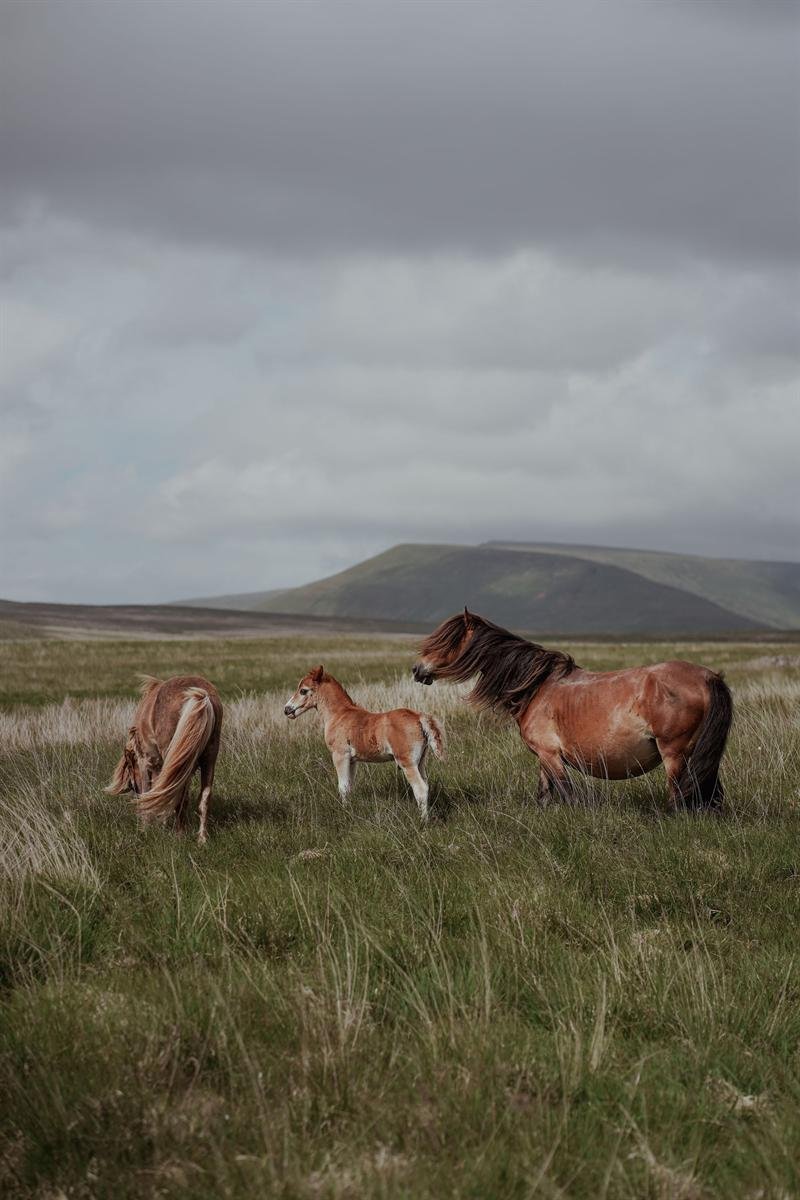
Choosing a breed is really choosing a set of probabilities: how big, how sensitive, how easy to keep and which health problems you may meet. This section profiles fifteen breeds and types you will meet in the UK, from native ponies to heavy horses and international sport horses, so you can match horse to rider, budget and plans.
Explore horse breeds
Breeds at a glance
| Breed | Typical height | Temperament | Best suited to | Main watch-point |
|---|---|---|---|---|
| Thoroughbred | 15.2 to 17 hh | Sensitive, quick | Experienced riders, eventing | Ulcers, thin soles |
| Arabian | 14.1 to 15.1 hh | Intelligent, spirited | Endurance, lighter riders | Inherited disease testing |
| Clydesdale | 16.2 to 18 hh | Kind, steady | Driving, showing | CPL, feather skin |
| Shire | 16.2 to 18 hh | Docile, patient | Driving, heavier riders | CPL, weight |
| Welsh A to D | Up to 12 to over 13.2 hh | Bold, clever | Children to adults | Laminitis |
| Connemara | 13 to 15 hh | Sensible, athletic | Teens, small adults | Laminitis |
| Highland | 13 to 14.2 hh | Calm, steady | Trekking, family | Obesity, laminitis |
| Shetland | Up to about 10.2 hh | Cheeky, clever | Tiny children, companions | Obesity, hyperlipaemia |
| Friesian | 15.3 to 17 hh | Gentle, sensitive | Dressage, driving | Several inherited problems |
| Haflinger | 13.2 to 15 hh | Friendly, steady | Family, driving | Weight, metabolic issues |
| Appaloosa | 14.2 to 16 hh | Willing, steady | Western, trail | Uveitis, night blindness |
| Quarter Horse | 14.1 to 16 hh | Calm, cooperative | Western, leisure | Genetic muscle and skin disease |
| Cob | 14 to 15.3 hh | Sensible, tolerant | Nervous or heavy riders | Obesity, feather |
| Irish Sport Horse | 15.2 to 17.2 hh | Bold, honest | Eventing, hunting | Joint wear if over-worked |
| Warmblood | 16 to 17.2 hh | Trainable, sometimes sensitive | Dressage, jumping | OCD, back problems |
Breed, type or individual?
Breed gives you a starting guess, but individual temperament, training and management matter more. Some labels, such as cob, hunter or riding horse, are types defined by build rather than registered breeds. Two Thoroughbreds from different lines can be as different as a Welsh Section A and a Section D. Always judge the horse in front of you, and treat breed information as a guide to what to ask, not a guarantee.
Matching a breed to your needs
- Beginners and returning riders: cobs, steady native ponies and sensible older horses of any type are often easier than young sport horses. See buying a first horse.
- Heavier riders: look at strong, short-coupled types such as cobs, Highlands and heavier native crosses, and always check weight-carrying with your vet or instructor.
- Competition riders: sport horse breeds and crosses give more scope in dressage, jumping and eventing, though they cost more to buy and keep sound.
- Children: pony size, training and temperament matter most. See pony breeds and first pony.
Native ponies, laminitis and easy keepers
Many British and Irish native breeds evolved to survive on sparse grazing, so on modern pasture they can gain weight quickly. That makes laminitis a major risk for Welsh, Connemara, Highland, Shetland, Haflinger and cob types. Good management includes restricted grazing, regular exercise and weekly condition checks, and your vet can test for insulin dysregulation.
Heavy horses, natives and sport horses compared
It helps to think of breeds in three broad families. Heavy horses such as the Shire and Clydesdale are big, strong and usually calm, but need large boots, big rugs, strong fencing and a bigger feed and farrier bill. Native ponies and cobs are hardy, sure-footed and economical when managed well, but are prone to weight gain. Sport horses such as the Warmblood, Irish Sport Horse and Thoroughbred offer athletic scope for competition, usually with higher price tags and more demanding management. Some breeds, such as the Arabian, Friesian and Appaloosa, stand apart, with distinct looks and traits.
Questions to ask before choosing a breed
- How tall and heavy will the horse be, and does that suit my size, my skills and my facilities?
- Is it an easy keeper or a poor-doer, and can I manage its weight on my grazing?
- How sensitive or forward-going is the typical temperament, and am I ready for that?
- Which inherited health conditions occur in this breed, and are there tests available?
- Are there qualified farriers, vets and trainers nearby who know the breed?
- What do I want to do: hack, compete, drive, show or simply enjoy a companion?
Health testing and registration
Several breeds have conditions that can be screened for before breeding or buying. Examples include genetic tests in Arabians and Quarter Horses, and the particular health points listed in our guides to Friesians, Appaloosas and feathered heavy horses. A responsible seller of a breed with known inherited problems should be happy to discuss test results. Remember that tests only cover specific conditions, so they sit alongside a full vetting. Registration with a breed society gives a documented pedigree, but it is not a guarantee of quality or temperament. All horses in the UK must also have a passport and microchip; see horse passports and microchipping.
What different breeds cost to keep
Purchase prices depend more on training, age and quality than on breed alone, and 2026 costs vary by region. As a rule, keeping a big horse costs more than keeping a small one: heavier horses may need more feed, larger rugs, bigger stables and larger shoes, and some feathered breeds need extra skin care. Native ponies may be cheaper to feed but need careful grazing control, which can mean extra spending on fencing or track systems. Insurance may cost more for high-value sport horses. See cost of owning a horse for a fuller budget.
Finding a breed society and good breeders
Most UK breeds have a breed society that publishes standards, runs shows and can put you in touch with owners and breeders. Visit a few yards, meet the parents if you can and ask about the foal’s upbringing, handling and health testing. Be cautious about any seller who cannot provide documents or who is unwilling for you to see where the horse was raised. If you are considering a youngster, ensure you have the time, facilities and experience to bring it on safely, or choose an older, established horse instead. See first horse.
Frequently asked questions
What is the best horse breed for a beginner?
There is no single best breed. Calm, well-schooled, middle-aged horses of cob or native type are often a good fit, but the individual horse matters far more than its label.
What is the difference between a horse and a pony?
By convention, a pony is 14.2 hands (148 cm) or under, though some small horses are bred as horses and some ponies are taller. Ponies also differ in build and temperament.
Are pure breeds healthier than crossbreeds?
Not necessarily. Some purebred lines carry inherited conditions that can be tested, while crosses can inherit problems from either side. Health testing and a thorough vetting count more than the label.
How do I check a horse's breeding?
Ask for the passport and breed society papers, and compare their details, including markings, to the horse in front of you. See horse passports and microchipping.
Do rare breeds need extra care?
Often they are easy to keep but may have fewer experienced vets, farriers and trainers for particular health issues. Join the breed society and ask for local contacts.
Which breeds are most prone to laminitis?
Native ponies, cobs and other easy keepers are at higher risk, though any horse can be affected. Weight control and regular exercise are the best prevention. See laminitis.
Which breed is best for heavier riders?
Strong, short-backed types such as cobs, Highlands and heavy horses often carry weight well, but fitness, fit of the saddle and the rider’s balance matter. Ask your vet or instructor about the individual horse.
Useful official resources
- The British Horse Society Owning and caring for horses of every type.
- World Horse Welfare Rehoming and welfare charity.