
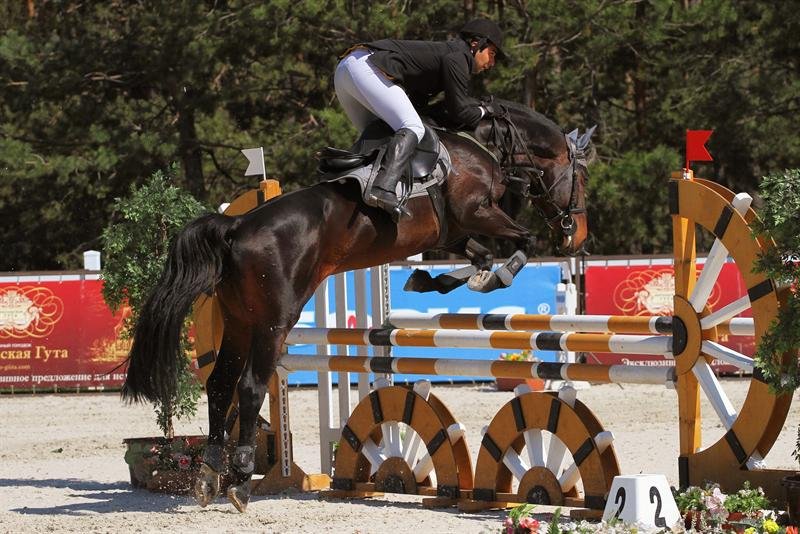
British Showjumping (BS) is the governing body for showjumping in Great Britain, and it runs the affiliated competition structure that takes horses and riders from small, friendly classes to national and international level. You can join as a member, register your horse or pony, and start in a beginner class without ever needing to chase prize money.
This guide explains how British Showjumping membership works, how the horse and pony grades fit together, what counts as a fault, how a jump-off is decided and how to enter your first class. Rules, fees and class names are updated from time to time, so always treat the current BS rulebook and show schedule as the final word.
What British Showjumping does
BS writes the rules, sets the grading system, approves affiliated shows and licenses officials such as judges, course designers and stewards. It also organises championships and runs the pathway that leads towards international teams. For most riders, the practical effect is simple: at an affiliated show you can expect a properly designed course, qualified officials, set safety standards and results that count towards a recognised record.
That does not mean you have to affiliate to enjoy the sport. Plenty of riders begin at unaffiliated shows, at home on a schooling day or with their riding club, and only move to affiliated classes once they are jumping confidently.
British Showjumping membership and registration
Riders usually join as members, and each horse or pony that will compete in affiliated classes is registered with BS so that its grade and winnings can be tracked. Membership categories, fees and registration steps change, so check the BS website for the current structure rather than relying on older figures. Membership generally includes some level of rider insurance and access to affiliated schedules, but cover differs between categories, so read what yours includes.
Before you register, have these to hand:
- Your horse's passport and microchip details. See passports and microchipping.
- Proof of an up-to-date vaccination record, which affiliated shows expect. See vaccinations.
- Height details for ponies, as pony classes are organised by height category.
- Contact and emergency details for the rider, and parental consent for junior members.
British Showjumping grades explained
Horses move up the grades by winning prize money in classes. On the horse side, the sequence commonly runs from Newcomers and Discovery, through Foxhunter, to Grades C, B and A. Ponies and young riders have their own classes and height divisions, with separate pathways and championships. Fence heights, spreads and course difficulty increase at each stage, and the rulebook sets out how upgrading works, including how winnings are counted, so check what applies to your horse.
| Stage | Typical focus |
|---|---|
| Newcomers and Discovery | First competitions, simple courses, building confidence for horse and rider |
| Foxhunter | Qualifying classes for championship finals, with bigger, more technical courses |
| Grades C, B and A | Progressively larger and more demanding tracks, prize money and national-level classes |
| Pony and junior classes | Height-based and age-based classes with their own progression and finals |
Moving up is not a race. A horse that is happily jumping clear at the lower grades is better off staying there while it gains strength and experience than being promoted into courses that frighten it.
Faults, time and jump-offs
Showjumping scoring is largely objective, which is part of its appeal. Penalties, usually called faults, are generally added for:
- Knocking down a fence or part of a fence.
- A refusal, run-out or other disobedience at a fence.
- Exceeding the time allowed.
- A fall of horse or rider, which usually leads to elimination.
Repeated disobediences normally lead to elimination too. Exactly how many faults each infringement carries depends on the class type and the table of penalties used, so read the schedule for each class.
In many classes, everyone who goes clear in the first round returns for a jump-off against the clock over a shortened course, and the fastest clear round wins. Some classes are decided on faults and time in a single round instead. The jump-off rewards a rider who plans tight, balanced turns rather than one who simply gallops, because a rushed horse often knocks a fence down and loses all the time it gained.
How to start showjumping competitions
If you are wondering how to start showjumping competitions, the answer is to build up in small steps and let your horse tell you when it is ready.
- Check your horse can jump a small, simple course calmly at home, in a steady rhythm, and that you can stay balanced. See show jumping for the basics.
- Have a few lessons with an instructor who can watch you over a course and help you with related schooling.
- Try a clear round session or a small unaffiliated class for practice with no pressure.
- Choose a first affiliated show with an entry-level class and a friendly reputation, and read the schedule for entry closing dates, class heights and rules.
- Check your tack and clothing against the rules, including hat standards. See competition rules.
- On the day, arrive early, walk the course, learn it fully and plan your turns before you mount.
- Warm up sensibly and aim for a smooth, rhythmical round rather than a rosette.
Walking and riding the course
Course walking is where many rounds are won. Walk the exact line you intend to ride, counting strides in related distances, and note where the course asks for a turn, a change of rein or a tricky fence such as one that faces away from the collecting ring. Look for the place where your horse is most likely to back off or spook and plan how you will support it. Then ride the course in your head from start to finish, including the finish line, so that you do not slow down early.
Costs to expect
Costs vary by region and by show, but you will typically need to budget for membership, horse registration, entry fees per class, transport and sometimes extra charges such as stabling, secretary fees or parking. Entering several smaller shows often costs less overall than one large event. Always check the schedule so there are no surprises on the day.
FAQs
Do I need to be a member to jump at shows?
For affiliated British Showjumping classes, yes: riders need to be members and horses need to be registered. Unaffiliated shows often do not require membership, but check each schedule.
What is a clear round?
A round with no jumping or time faults. Many venues offer clear round classes or sessions for practice, usually with no placings and no competition pressure.
How does a horse move up the grades?
By winning prize money in classes. When the total reaches the limit for its current grade, the horse is upgraded under the rules set out in the rulebook.
What is a jump-off?
A timed, shortened course for riders who went clear in the first round. The fastest clear round wins, and faults in the jump-off count against you.
Can ponies and children compete?
Yes. There are pony and junior classes organised by height and age, with their own championships. Young riders usually need a parent or guardian to consent to membership.
What should I wear?
A hat meeting a currently accepted standard, correctly fitted, plus smart riding clothing as set out in the schedule. Check the current rules before the show.
Useful official resources
- British Dressage Rules, levels and how to register.
- British Eventing Levels, rules and entries.
- The Pony Club Competitions and rallies for young riders.