
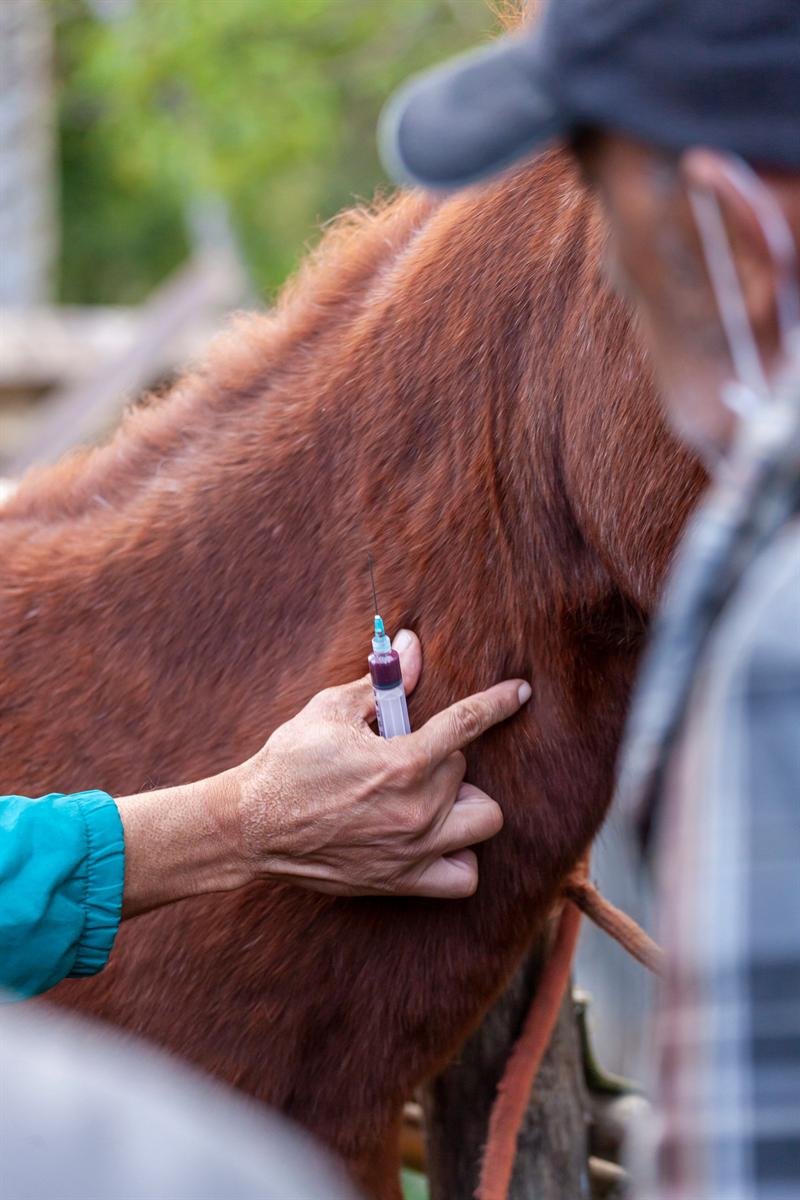
Every UK horse should be vaccinated against equine influenza and tetanus, and many are also vaccinated against equine herpesvirus. Keeping horse vaccinations exactly on time matters, because a gap can mean restarting the course and, for competition horses, being barred from entering events.
What horses are routinely vaccinated against
| Disease | Why it matters | Who needs it |
|---|---|---|
| Equine influenza | Very contagious respiratory virus that can shut down a yard | All horses, and compulsory for most affiliated competition |
| Tetanus | Soil bacterium causing muscle rigidity; often fatal if contracted | All horses and ponies; often combined with flu in one injection |
| Equine herpesvirus (EHV-1 and 4) | Respiratory disease, abortion and neurological disease | Often considered for breeding mares, young stock and horses mixing widely; some competitions require it |
Strangles vaccination exists but is used differently and may not suit every horse, so ask your vet. Our common diseases guide covers the illnesses in more detail.
Equine flu vaccination schedule
For flu, a horse starting from scratch typically has a primary course of two injections a few weeks apart, then a third dose around five to six months later, then regular boosters at intervals specified by the product and by any competition rules. Because products and rules differ, your vet will build a calendar for your horse and tell you the exact windows. Do not rely on a schedule you have read online, including this one; treat it as an outline of how courses are structured.
- Book primary courses and boosters well ahead, especially before show season.
- Do not let boosters lapse. If the gap becomes too long, your vet may restart the course.
- Check the rulebook for your discipline. Bodies such as British Dressage, British Showjumping and British Eventing, and the FEI for international events, set their own rules about the timing of flu vaccination. See competition rules.
- Many livery yards and venues ask to see proof, so keep the passport somewhere accessible.
Horse vaccination competition rules
If you compete, the rules of the relevant body decide the timing, and they are updated from time to time. Typically they set out how soon after a booster a horse may compete and the maximum gap between boosters. Always read the current rulebook for your discipline and check with your vet before booking a vaccination near an event, because an injection given at the wrong time can rule you out of a class or a whole season.
Unaffiliated shows, riding clubs, Pony Club branches and livery yards often have their own requirements too, so ask. See Pony Club and riding club for the sort of events that may ask for proof.
Horse tetanus vaccine
Tetanus spores live in soil and manure and can enter through even a tiny wound or puncture, including a hoof puncture. Horses are particularly susceptible. A vaccinated horse is well protected, and the vaccine is routinely given alongside flu as a combined injection, although the tetanus booster interval is different and usually longer. Your vet will explain how the two fit together. If your horse has a wound and its vaccination history is unclear, tell your vet, who may recommend extra protection.
Herpes vaccine for horses
Equine herpesvirus (EHV) causes respiratory disease, abortion in mares and, in some outbreaks, neurological signs. The vaccine can reduce the spread and severity of respiratory disease and help protect pregnant mares from abortion, but it does not give total protection, so good biosecurity still matters. It is often discussed for breeding stock, young horses, and horses that travel and mix with many others, and some competitions or venues require it. Ask your vet whether it suits your horse.
Passports and records
Under DEFRA rules every UK horse needs a passport and microchip, and vaccinations are recorded in the vaccination section by the vet, who signs, stamps and dates the entry. Make sure the batch details and next due date are included. A gap in the passport record can be a problem even if the injection was given. See passports and microchipping.
After the injection
- Check the site daily for a few days. A little heat or a small lump is common.
- Gentle work may be fine, but ask your vet whether to rest the horse for a day or two.
- Avoid vaccinating a horse that is already unwell, and tell your vet about any previous reaction.
- Do not ride in the same area of the neck on a tender spot, and watch for a hot, swollen or painful reaction.
- If a horse is stiff in the neck and reluctant to lower its head to eat, mention it to your vet.
Making a vaccination plan with your vet
A good plan fits the horse, not just the calendar. Think about where your horse lives, how many others it meets, whether it travels, whether it competes, and whether it is in contact with young, old or pregnant horses. Tell your vet all of this and ask them to write the due dates in the passport and on a yard calendar. Many practices send reminders, but the responsibility to keep the dates is yours. If you move yard, share the vaccination record with the new yard manager so there is no confusion over whether your horse is covered.
Vaccination is only one part of disease prevention. Quarantine for new arrivals, clean buckets and sensible hygiene at shows all help to protect your horse and the others around it.
Foals, older horses and special cases
Foals usually start their courses at a later age than adults, because antibodies from the mare's milk can interfere with the vaccine early on, and your vet will advise when to begin. Mares in foal need a plan agreed with the vet, particularly for herpesvirus. Older horses and those with long-term conditions such as equine asthma or Cushing's disease should still be vaccinated in most cases, and your vet will tailor the plan. If you buy a horse with incomplete or unclear records, ask your vet before doing anything else, as a restart may be needed. See vetting.
FAQs
Is vaccination compulsory for pleasure horses?
Not by law, but it is strongly recommended, and many yards insist on it.
Can I vaccinate my own horse?
Vaccines are prescription-only medicines. Ask your vet; the passport must be completed properly by the vet.
Do old horses still need jabs?
Generally yes, though your vet will tailor the plan to age and health.
What happens if I miss a booster?
Your vet may need to restart part or all of the course, and a gap can stop you competing. Speak to your vet as soon as you notice.
Can I compete straight after a vaccination?
Competition bodies set rules about timing around boosters. Check the current rulebook and ask your vet when to book.
Does vaccination guarantee my horse will not get flu?
No. It reduces the chance of infection and usually lessens the severity, but good yard hygiene and quarantine still matter.
Useful official resources
- RCVS Find a Vet Find an RCVS-registered equine vet near you.
- British Equine Veterinary Association The professional body for equine vets.
- World Horse Welfare: advice Health and welfare guidance for owners.