
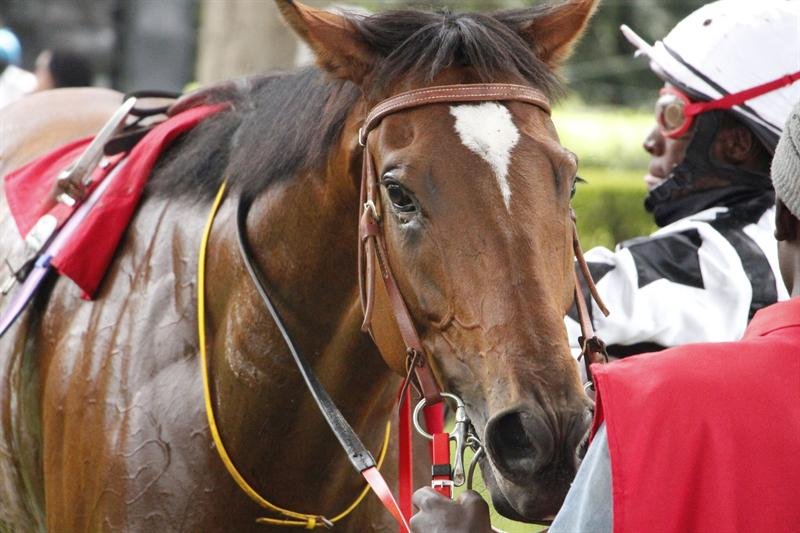
The Thoroughbred horse is the world's fastest and most refined horse, bred for racing but equally valued as a hunter, eventer and riding-horse cross. Brilliant, sensitive and generous, it rewards a rider with good hands and a calm routine, and it is rarely the right choice for a nervous novice.
| At a glance | |
|---|---|
| Height | 15.2 to 17 hands |
| Typical weight | Roughly 450 to 600 kg |
| Temperament | Sensitive, quick, willing, often hot |
| Common colours | Bay, brown, chestnut, grey, black |
| Best for | Experienced riders; eventing, hunting, flat racing, dressage and showing |
| Origin | England, 17th and 18th centuries |
History of the Thoroughbred
The breed was created in England by crossing imported Oriental stallions with native mares. Three foundation sires, the Byerley Turk, the Darley Arabian and the Godolphin Arabian, appear in the pedigree of virtually every modern Thoroughbred. The General Stud Book, first published in 1791, still records the breed, and a horse can only be registered if both parents are. Newmarket remains the heart of British breeding and training.
Thoroughbred height and build
Thoroughbred height usually runs from about 15.2 to 17 hands, with many around 16 hh. The build is lean and athletic: a fine head, long sloping shoulder, deep chest, long legs and a fine coat and skin. Conformation varies a lot between sprinters and stayers, and between a lightly built filly and a big National Hunt gelding, so look at the individual horse rather than the breed label. Lighter bone and thin soles are common, which matters for the work and the hoof care it will need.
Thoroughbred temperament
Expect intelligence, a big engine and a thin skin, mentally as well as physically. Many Thoroughbreds worry when routines change, react fast to sudden noise and can lose weight under stress. Good ones are brave and honest once they trust you, and many are generous and affectionate. They are often "hot", meaning energetic and quick to respond, but plenty are placid, especially older horses and geldings who have had time off. Temperament is as individual as in any breed.
Are Thoroughbreds good for beginners?
Generally not. Their speed and sensitivity suit confident riders, although a calm older Thoroughbred with a settled history can suit an intermediate rider with good help. A novice should usually choose a steadier type, such as a cob.
Thoroughbred ex-racehorses
Many ex-racehorses are available in the UK each year, and a lightly raced horse can be a bargain with plenty of scope. Ex-racehorses need time to learn that a rider's leg no longer means "go flat out", so patient, consistent retraining matters more than clever kit. Several UK charities and retraining schemes support racehorses moving into new careers. Typical stages look like this:
- Let down: a few weeks of turnout, forage and routine to lose racing fitness and tension.
- Health check: vet, dental and back check, plus feet assessed by a registered farrier.
- Groundwork: leading, standing quietly and being tied up. See groundwork.
- Re-schooling: walking and trotting calmly on a long rein, new aids, and hacking out in company.
- New job: gradual fittening for eventing, dressage or hacking.
Retraining is also about the horse's mind. Racehorses live a busy, structured life with set feeding times, constant company and lots of work, so a quiet livery yard can feel strange at first. Many settle best with a predictable routine, a companion in the next stable or field, regular turnout and calm, short rides that finish on a good note. Do not rush to canter or jump, and ask for experienced help if the horse remains tense, rushes or bolts.
A good ex-racehorse can be one of the most rewarding rides, with an athletic stride and a willing attitude, but it suits an owner with time, patience and a sensible budget for professional help if needed.
Tack and rugs also need thought: many Thoroughbreds have high withers and a narrow, sloping back, so a saddle fitter's advice is well worth having. See saddles. Sharp reactions mean rugs and clippers may need gentle introduction.
Uses
- Flat and National Hunt racing, where most are born to work.
- Eventing, where blood and stamina are an advantage across country. See eventing.
- Hunting and fast hacking for confident riders.
- Crossed with other breeds to produce top sport horses. See warmbloods.
- Second careers, with several UK charities and retraining schemes rehoming ex-racehorses.
Health considerations
Gastric ulcers are common in horses with a racing background, as are thin soles and flat feet that need skilled hoof care. Tendon and ligament injuries are a recognised risk for horses worked hard young. Wobbler syndrome (a spinal cord problem) is seen more often in the breed. Fit, fed-up Thoroughbreds can also develop stable vices. Ask your vet to look at the whole horse, not just the leg you are worried about.
Care and feeding
Thoroughbreds are often hard keepers and feel the cold, so a decent rug, plenty of forage and extra turnout in a settled group usually works better than lots of hard feed. Little and often is the rule: see our guides to hard feed and weight gain. Slow, steady fittening protects young bones. Avoid long gaps between meals to help protect the stomach.
Buying a Thoroughbred
Prices range from very little for a lightly raced ex-racehorse to many thousands for a proven sport horse, and costs vary widely. Always ask why a horse left racing, check its passport history and have a full five-stage vetting. See the horse ridden by someone else first, and ask a trusted instructor to try it. Be wary of any Thoroughbred sold as "quiet" without evidence.
Buyer's checklist
- Why did the horse leave racing, and how long ago?
- Any history of ulcers, tendon injuries, colic or wobbler signs?
- How does it behave being clipped, shod, loaded and ridden alone?
- Is it a good fit for your experience, not just your ambition? See buying checklist.
- Can your yard offer the turnout, forage and routine it needs?
FAQs
Are Thoroughbreds good for beginners?
Generally not. Their speed and sensitivity suit confident riders, although a calm older Thoroughbred with a settled history can suit an intermediate rider with good help.
Why are Thoroughbreds so thin-skinned?
Centuries of selection for speed produced a fine coat, low body fat and a high metabolism, so they feel cold and pressure more than heavier types.
Can a Thoroughbred live out?
Many do, provided they are rugged appropriately, have shelter and are fed enough forage. Watch condition closely through winter.
How tall is a Thoroughbred?
Usually between 15.2 and 17 hands, with many around 16 hh.
Can an ex-racehorse be ridden after racing?
Yes, many go on to eventing, dressage, showing and hacking, but they need time, a vet check and patient retraining.
Are Thoroughbreds hard to keep?
Many are, as they have a fast metabolism and feel the cold, but individuals vary. Plenty of forage and regular routine help.
Useful official resources
- The British Horse Society Owning and caring for horses of every type.
- World Horse Welfare Rehoming and welfare charity.