
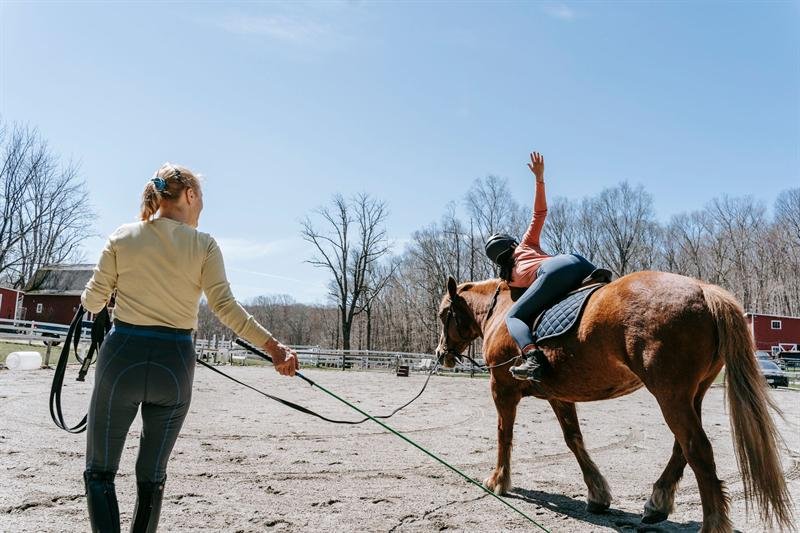
Backing a horse is the process of teaching it to accept a rider for the first time, and calm, gradual preparation can make it close to a non-event. A horse that leads, lunges, accepts tack and responds to voice and rein aids will usually take a rider with little fuss, and you should never rush the process.
When to back a horse
Many horses are backed around three to four years old, though slower-maturing types and larger breeds often benefit from waiting. A young horse's skeleton keeps developing for several years, so work should be light, short and gradual, with plenty of turnout. Your vet can advise on whether your horse is ready. Age is only one factor, and maturity, size and temperament matter as much.
| Check | What you want to see |
|---|---|
| Health and soundness | Sound, in good condition, with a vet check if you have any concerns |
| Teeth and mouth | Checked by a vet or qualified equine dental professional before a bit goes in |
| Feet | Balanced and trimmed by a registered farrier |
| Saddle fit | Properly fitted by a qualified saddle fitter, and re-checked as the horse changes shape |
| Handling | Leads, stands, ties up and picks up feet calmly |
| Understanding | Responds to voice, stops, turns and moves away from pressure |
Rule out pain before you start
Pain is one of the most common reasons a young horse reacts badly to being backed. Before you begin, make sure the horse is physically comfortable. A sore back, poorly fitting tack, dental problems, hoof pain or an unrecognised lameness can all lead to resistance that looks like bad behaviour. If your horse is unwilling, hollows or flinches when tacked up, or reacts to a girth or saddle, stop and ask your vet to examine it. A qualified equine physiotherapist or saddle fitter may also help. See veterinary advice and saddles.
Preparing the ground
Good backing is mostly good preparation. By the time someone sits on a horse, it should already understand most of what will be asked.
- Handling and manners: calm leading, standing still and respecting your space. See groundwork.
- Tack: the horse should accept the bit, bridle and saddle calmly, and the girth being tightened gradually.
- Lunging and long-reining: to teach voice commands, steering and stopping, and to build balance and fitness. See lunging and long-reining.
- Weight on the back: lean over him, rest a hand on his back and let him see and feel you above him, using a mounting block in a safe space.
- New experiences: rugs, noises, plastic and traffic sounds, introduced slowly. See building confidence.
How to back a young horse: the first rides, step by step
- Choose a safe, enclosed area with good footing, a calm, experienced helper and ideally a quiet schoolmaster for company.
- Warm the horse up on the ground, so he is relaxed and listening before you begin.
- Lean across the saddle from a mounting block, in stages, and then back down. Reward calm responses.
- Have your helper hold the horse while you slide a leg over gently and sit lightly, with your weight central.
- Walk a few steps led by your helper, then dismount. Keep the first session short.
- Next sessions: walk and halt, small turns, and gradually off the lead. Keep sessions short and calm.
- Add trot and short hacks later, in company, when the horse feels secure.
Progress at the horse's pace, not a calendar's. Most horses are walking, trotting and steering within a few weeks, but real balance, strength and understanding take months. Many people prefer to build slowly through the first year, with plenty of rest and variety.
Breaking in a horse: the modern view
You may still hear the phrase "breaking in", but good modern practice is about teaching and building trust rather than overpowering a horse. Force and rushed methods can create fear, tension and long-term problems. If a horse seems panicky, resistant or in pain, treat that as information. Stop, go back a step and look for a cause, rather than pushing through.
After the first rides
Once the horse accepts a rider, the work is about building a foundation rather than achieving quickly. Keep sessions short, vary the work and give regular days off in the field. Establish steering, a calm halt and a relaxed walk before asking for much trot, and introduce canter only when the horse is balanced and confident. Ride in an enclosed space first, then add quiet hacks with an experienced companion horse. Young horses tire both physically and mentally, so stop before the horse does.
Keep an eye on the horse's body as it develops. Watch for changes in weight, muscle, saddle fit and attitude, and ask your saddle fitter to re-check regularly, since a growing horse changes shape quickly. A young horse that suddenly becomes reluctant may be telling you it is tired, sore or confused. Lessons with a good instructor who understands young horses can help you progress safely. See young horses.
Safety and kit
Wear a hat to current standard, gloves, a body protector and sensible boots, and choose a lightweight, balanced rider if possible. Have another person nearby and a means of calling help, and let someone know where you are. Choose quiet times and places, and avoid backing in a busy yard or in poor weather. See riding safety. If a young horse rears or bucks, stop and check the saddle, back and tack before blaming temperament. See bucking.
Choosing a professional starter
If you decide to send your horse to be started, choose carefully. Visit the yard, watch sessions and ask how they work. A good starter will be patient, explain their methods, put the horse's wellbeing first and keep you informed with regular updates. They should be happy for you to visit, and should check for pain, tack fit and teeth as part of the process. Ask about insurance, experience with horses like yours, and what happens when the horse comes home, because the handover matters. Ideally you will have a few lessons so that you can continue the work consistently. Avoid anyone who talks about breaking a horse quickly or relies on force or fear.
FAQs
What age should you back a horse?
Many horses are backed around three to four years old, but maturity varies, and some larger or slower-developing horses benefit from waiting. Ask your vet if you are unsure.
How long does it take to back a horse?
Many can be sat on within a few sessions and ridden at walk and trot within weeks, but a proper foundation is a longer process of months.
Can I back my own horse?
If you are experienced, have skilled help and a calm horse, yes. Otherwise, a professional starter will be safer and often quicker.
What groundwork should a horse know before backing?
It should lead, stand, accept tack, lunge or long-rein and respond to voice, stopping and steering cues on the ground.
What if my horse bucks or rears when I first sit on it?
Stop safely, go back a step and check for pain, saddle fit and teeth. If it continues, ask a qualified professional to help.
Is it cruel to back a horse?
Not when done patiently and kindly at the right time. Most horses cope well with gentle, well-paced training.
Useful official resources
- The British Horse Society Training, coaching and qualifications.
- World Horse Welfare: advice Handling and welfare guidance.