
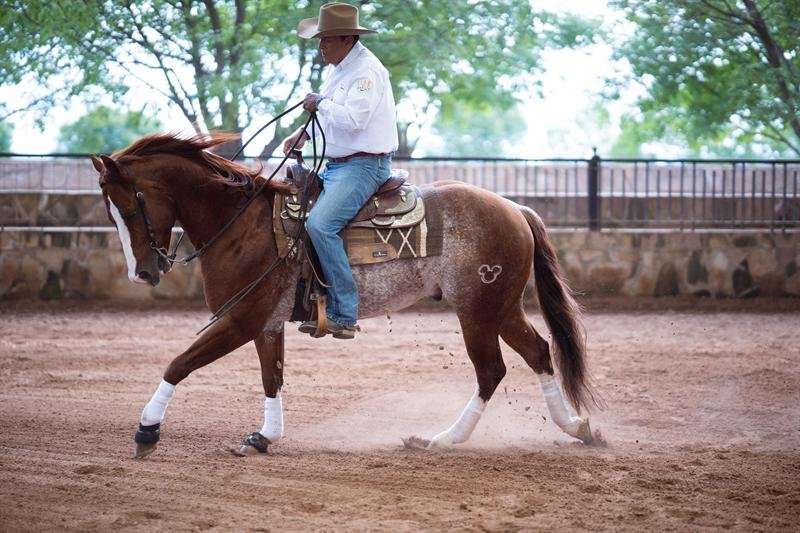
Western riding in the UK is a small but welcoming corner of the horse world, built on the working traditions of cattle ranches: a deep, relaxed seat, a light or loose rein and a horse that responds to small cues. It is practised here as a leisure and competition style, with dedicated clubs, instructors and shows, and the skills of balance and feel will help any rider.
Western vs English riding: the main differences
The two styles share the same goals: a balanced rider, a willing horse and clear communication. The differences come from the jobs the styles were designed for. English riding grew from hunting, cavalry and sport, while western riding grew from long days of working with cattle, where a rider needed comfort, security and one hand free.
- Saddle: larger, with a horn and wide fenders; it spreads weight over a bigger area and is built for long days.
- Reins: often held in one hand with a loose rein, and the horse is trained to neck-rein, moving away from the rein against its neck.
- Seat: a deeper, more relaxed seat with a longer stirrup, though a vertical line from ear to shoulder to hip to heel is still the aim.
- Bits: commonly curb bits for finished horses, and snaffles or hackamores for younger ones; the type of bit and use varies by discipline.
- Training: horses are taught to carry themselves and respond to light cues, so a western-trained horse is often very responsive to the seat and leg.
- Rider turnout: boots with a heel, sturdy trousers or jeans, and a hat that meets a current safety standard; see the safety section below.
Neither style is easier or kinder by default. Either can be ridden with soft, skilful hands or with a heavy touch, and the welfare of the horse depends on the rider, the training and the fit of the tack rather than the label.
Bits and fit are discussed in bits, and saddle fit principles apply equally to western saddles; see saddles.
The western saddle
A western saddle has a solid tree, a deep seat, a horn at the front, a high cantle at the back and broad skirts that lie flat against the horse. The weight is spread over a larger area than on many English saddles, which is one reason western saddles suit long hours of work. They are also heavy, and the stirrups hang from wide fenders rather than stirrup bars you can easily adjust from the saddle.
Fit is just as important as with any saddle. Western saddles are sold in different tree widths and shapes, and a poor fit can cause soreness around the withers and loins. Because most horses in the UK are built differently from the stock horse type the saddles were designed around, you may need to try several before you find one that suits, so ask a qualified saddle fitter with western knowledge to check it. A thick pad or blanket underneath is normal, but it must not be used to hide a poor fit. See the saddle fitter career guide to understand what a qualified fitter does.
Neck reining explained
In neck reining, the rider carries the reins in one hand and signals a turn by laying the rein against the side of the horse's neck, away from the direction of the turn. The horse learns to move away from the pressure, supported by the rider's seat, weight and leg. It is not a trick; it relies on the horse first learning to respond to direct, two-handed rein aids and leg aids.
- Teach the horse to turn and stop from direct rein aids in a snaffle, with plenty of leg and seat support.
- Introduce a light neck rein signal at walk, along with your usual direct rein, and release as soon as the horse responds.
- Gradually reduce the direct rein, using weight and leg to carry the turn.
- Practise on large turns before small ones, and keep your hand quiet and low, in front of the saddle.
- Do not expect precision or speed until the horse is relaxed and confident.
Many horses that are not western-trained can learn neck reining, but it takes patience. If you are teaching it to your own horse, an experienced western instructor can save a great deal of confusion.
Common western disciplines
| Discipline | What it involves |
|---|---|
| Western pleasure | Smooth, relaxed gaits on a loose rein, judged on manners and way of going |
| Reining | Patterns of circles, spins and sliding stops |
| Trail | Negotiating obstacles such as gates, bridges and poles |
| Barrel racing | A timed cloverleaf pattern around three barrels |
| Western horsemanship | The rider is judged on seat, position and accuracy through a pattern |
| Cutting and working cow horse | Cattle work; less common in the UK, but available through specialist clubs |
In the UK, western pleasure, trail and reining are the most accessible for most riders. Barrel racing and speed events are popular at some shows, although they demand a fit, well-prepared horse and a surface that offers good grip. Always check the schedule, the rules and the class requirements for the show you are entering, as they vary between organisers.
Western riding lessons in the UK
Western riding lessons in the UK are available, though there are fewer providers than for English riding, so you may need to travel or book a clinic. Look for an instructor with real western experience and appropriate qualifications, including a current first aid certificate and public liability insurance, and ask to watch a lesson before you book. Schools usually supply a western saddle, and many offer trail rides as well as lessons.
- Beginners: expect to start in walk and trot on a quiet, well-schooled horse, learning the seat and rein handling before cantering.
- English riders: many take a western lesson or clinic simply to learn about balance, feel and riding with a softer contact.
- Costs: a group or private lesson often costs roughly £30–£70 or more in 2026, depending on length, venue and region, so check what is included.
If you plan to cross-train your own horse, introduce the western saddle and rein style gradually and check that the horse is comfortable with the fit. For the principles behind progress, see the training scale and schooling.
What type of horse suits western riding?
Most sound, well-schooled horses can learn the basics, regardless of breed. Quarter Horses and similar types are bred for this work and tend to have the calm temperament and agile build it favours; see Quarter Horse and Appaloosa. Cobs and Irish types also make quiet, comfortable western mounts. What matters most is a calm mind, a willing attitude and a body that is free from pain.
Safety
Wear a hat to current standard (a cowboy hat is not a substitute), boots with a heel and a smooth sole, and make sure your stirrups are suitable and your saddle is in good repair. A horn and loose reins mean you should have excellent balance before cantering, and you should never tie your reins or lead rope to the horn. Take care when mounting, as a heavy saddle may slip if the girth is not tight enough. If the horse is frightened, resists or bolts, stop and get qualified help rather than pushing on. Dangerous behaviour needs an experienced professional, not a video. See riding safety.
Frequently asked questions
What is western riding?
It is a style of riding based on the working traditions of cattle ranches, using a western saddle, a deep relaxed seat and a horse trained to respond to light cues, often with the reins held in one hand.
Can any horse be ridden western?
Most sound, well-schooled horses can learn, but Quarter Horses and similar types are bred for it. Check the horse is comfortable and the saddle fits first.
Is western riding easier than English?
It looks relaxed, but it demands balance and feel. The horse often does more of the work, but the rider must be clear and consistent.
Can I do western riding lessons if I have only ridden English?
Yes. Many instructors welcome English riders, and the change in seat and rein handling is a good learning experience. Tell the instructor about your experience.
What is neck reining?
It is turning the horse by laying a rein against the side of its neck while using seat and leg, rather than pulling the nose toward the turn.
Do I need special clothing?
You need a hat that meets a current safety standard and boots with a heel. Everything else, such as chaps, is optional for beginners.
Useful official resources
- The Highway Code: rules for horse riders (gov.uk) Rules 47 to 58 for riding and leading horses on the road.
- The British Horse Society Riding, safety and access advice.
- British Riding Clubs Training and competition for adult riders.