
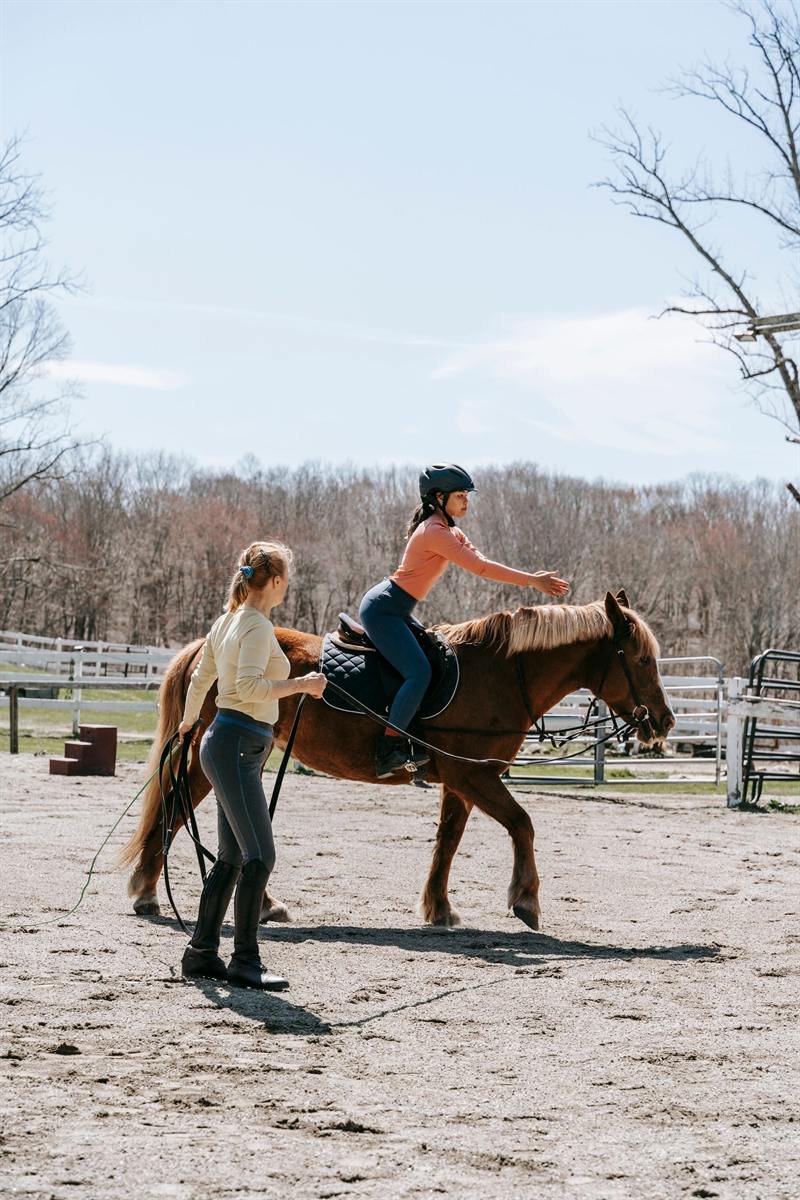
To find a riding instructor near me, look for someone who is qualified, insured, safe and a good match for your goals and personality. Anyone can call themselves a riding coach in the UK, so check qualifications and insurance rather than relying on word of mouth alone.
Find riding instructors by region
More regions are being added. Run a business that should be here? List it for free.
Where to find a riding instructor
There are several routes to a good instructor, and the right one depends on whether you ride your own horse, need a horse provided or want to improve at a particular discipline.
- Riding schools: offer private and group lessons on school horses, ideal for beginners and anyone without a horse. See our guide to riding schools.
- Freelance instructors: travel to your yard to teach you on your own horse, or teach at a yard they use regularly.
- Livery yards: many have resident or visiting instructors, which is handy if you keep your horse there.
- Clubs and societies: Pony Club, riding clubs and discipline groups often run clinics and lessons at lower cost.
- Recommendations: ask at your yard and your farrier or saddle fitter, and watch a lesson before you book.
Qualifications to look for
The British Horse Society (BHS) offers a well-known route, from stages for riders and horse care through teaching qualifications such as the Preliminary Teaching Test, Assistant Instructor and higher instructor levels. Qualified instructors usually hold current first aid and safeguarding training. Other relevant routes include coaching awards linked to sport governing bodies and apprenticeships, and some experienced coaches are respected without a particular certificate. Whatever the route, ask what they hold, when it was awarded and whether they keep up professional development. Our guide to equestrian qualifications explains the main routes, and becoming a riding instructor shows how instructors train.
Safety, insurance and safeguarding
- Insurance: instructors should carry public liability insurance, and ideally professional indemnity. Ask for evidence.
- DBS and safeguarding: if the instructor teaches children or vulnerable adults, an enhanced DBS check and safeguarding training are essential. In Scotland, this is handled through PVG membership, and Northern Ireland has its own system.
- First aid: a current qualification and a clear emergency plan, including how an ambulance will reach the site.
- Venue: if they teach at a yard, check the facilities are safe and appropriately licensed or insured.
- Safety kit: a good instructor expects a correctly fitted, current-standard riding hat and sturdy boots, and may ask you to wear a body protector for jumping or hacking. See riding safety.
Finding the right style
Qualifications are only part of it. A good instructor explains clearly, gives realistic goals, adapts to your horse as well as to you and does not push you beyond your confidence. Watch a lesson if you can, or book a trial session. Consider whether you want a specialist, for example in dressage or jumping, or a generalist who can help with confidence and basics. For nervous riders, look for someone who builds trust and uses simple, positive feedback. For competitors, look for coaches with experience at your level and in your discipline.
| Your goal | What to look for |
|---|---|
| Learning to ride | Patient teaching, suitable school horses and a structured progression. See beginner riding. |
| Regaining confidence | A calm approach, small steps and no pressure to do more than you are ready for. |
| Improving flatwork | Experience in dressage and schooling, with clear explanations of why. |
| Jumping | Safe, progressive poles and fences, plus a good eye for stride and position. |
| Competing | Coaching experience at your level and knowledge of the relevant rules. |
Questions to ask
- What qualifications do you hold, and are they current?
- Do you carry public liability insurance and a current first aid certificate?
- Are you DBS checked and trained in safeguarding?
- Do you teach at my yard or yours, and is there a travel charge?
- How do you structure a lesson and monitor progress?
- What is your cancellation policy for lessons?
How much do riding lessons cost?
As a rough guide in 2026, private lessons at your own yard might cost roughly £30–£70 an hour, with higher fees for advanced or specialist coaches and travel charges on top. Group lessons are usually cheaper per person. Lessons on a school horse at a riding school may cost a similar amount or more, because the horse and facilities are included. Prices vary by region and experience. Some instructors offer discounts for blocks of lessons, but it is wise to try one lesson first before paying in advance. Our guide to riding lessons gives more detail on what to expect.
Red flags to watch for
- Reluctance to share qualifications, insurance or first aid details.
- Pushing you or your horse beyond what you can safely manage, or dismissing your worries.
- Harsh handling of horses, or a focus on forcing results rather than understanding.
- Poorly maintained arenas, tack or school horses, or no clear emergency plan.
- Pressure to pay for lots of lessons in advance before you have tried one.
- Teaching children without any evidence of safeguarding awareness.
Trust your instincts. If you feel uncomfortable, anxious or unsafe in a lesson, it is fine to stop and find someone else. Good instructors want you to enjoy riding and to feel safe and supported.
Lessons for children and young riders
If you are looking for an instructor for a child, put safeguarding and safety first. Ask about DBS checks, how the instructor handles small children and what ponies are used. Look for patient teaching, fun and games alongside basics, and suitable ponies that match the child's size and confidence. Many children enjoy group lessons because they learn alongside friends. Our guides to learning to ride and young rider safety give more on what to expect.
Online and video coaching
Some instructors offer video feedback or remote coaching, which can supplement in-person lessons, especially if you live somewhere rural. It cannot replace someone watching you ride and keeping you safe, but it can help with planning, reviewing your position and keeping motivated between lessons.
Getting the most from your lessons
- Arrive early so you have time to groom, tack up and warm up without rushing.
- Tell the instructor about any injuries, worries or goals at the start.
- Ask questions during the lesson if you do not understand an exercise.
- Practise between lessons, even if only a few of the movements.
- Review progress every few months and adjust your goals.
FAQs
Does an instructor need to be BHS qualified?
No, it is not a legal requirement, but a recognised qualification gives you some reassurance about standards.
How often should I have lessons?
Many riders benefit from a weekly or fortnightly lesson, though it depends on budget and goals.
How much do riding lessons cost?
Private lessons may cost roughly £30–£70 an hour in 2026, with group lessons usually cheaper per person. Prices vary by region and the instructor's experience.
Should my instructor be DBS checked?
If they teach children or vulnerable adults, yes. Ask to confirm they hold a current check and safeguarding training.
Can I have lessons on my own horse?
Yes. Many freelance instructors travel to your yard, or you can box to a venue with an arena. Check that your insurance covers you.
What should I wear to a riding lesson?
A correctly fitted riding hat to current standards, boots with a small heel, and comfortable trousers. Your instructor can advise on anything else.
Useful official resources
- Farriers Registration Council Check a farrier is registered.
- RCVS Find a Vet Find a registered equine vet.
- Society of Master Saddlers Find a qualified saddle fitter.
- BAEDT Find a qualified equine dental technician.
Get your business listed
We're building the UK's most useful directory of riding instructors. Teach riding? List your business for free.