
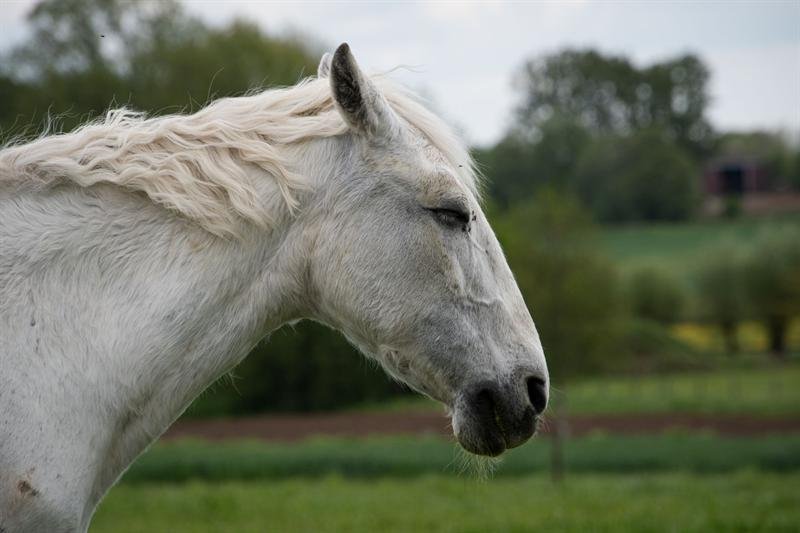
Older horse care means adapting feeding, dental and veterinary checks, exercise and shelter as your horse ages, so that he stays comfortable and active for as long as possible. Many horses remain happy and useful into their twenties and some live past thirty, and a flexible, observant approach makes the biggest difference.
At what age is a horse a senior?
There is no single cut-off. Many people consider a horse "senior" from around 15 to 20 years old, but health, breed, workload and history matter more than the number. Some horses show their age at 16, and others look and move like youngsters at 25. Treat age as a prompt to start paying closer attention, not as a diagnosis. Our retirement guide covers the next stage if he is no longer in work.
What changes with age
Older horses can show changes in several areas, often gradually:
- Teeth: wear, loose or missing teeth and gaps make chewing less efficient, which can lead to weight loss and quidding (dropping balls of partly chewed forage).
- Weight and muscle: loss of topline and quarters is common, and some horses become underweight while others stay overweight.
- Joints: stiffness, shorter strides and slowness to warm up often point to arthritis.
- Hormonal conditions: older horses are prone to pituitary pars intermedia dysfunction (PPID, sometimes called Cushing's), which can cause a long, curly coat that does not shed, muscle loss, drinking more and a higher risk of laminitis. Your vet can diagnose and manage it.
- Coat, skin and immunity: older horses may be more prone to infections and slower healing.
- Eyes and senses: eyesight and hearing can decline, so approach calmly and avoid startling him.
Veterinary and routine care
Older horses usually benefit from more frequent checks, not fewer. A realistic routine might include:
- A veterinary health check at least once or twice a year, including weight, teeth, heart and lungs, and a discussion of any changes.
- A dental check at least every six months, or as your equine dentist or vet advises.
- Regular farrier visits, with shoeing or trimming adapted to joint comfort, and prompt attention to any foot issues. See hoof care.
- Continuing vaccinations. Older horses are not exempt from flu or tetanus risk, and your vet will advise on the schedule.
- Worm control based on faecal egg counts, which suit horses of every age.
Bloods and further tests may be suggested if he is losing weight, drinking more or changing in other ways. Ask your vet what is sensible for your horse.
Feeding the veteran
The aim is a healthy body condition, with enough energy, protein and fibre to maintain muscle, without overloading a horse prone to laminitis or PPID. Good forage is the foundation, and many older horses need extra help:
- Soak or soften hay, haylage replacers, chopped fibre or mashes if he struggles to chew.
- Feed little and often where possible, and make sure he gets enough forage in total.
- Choose feeds designed for older horses or a balancer suited to his condition, and take advice from your vet or an independent nutritionist.
- Weigh or tape him regularly and keep notes, adjusting gradually.
- Make sure he can reach feed and water easily, away from bullying herd mates.
See our guides to senior feeding and weight gain for more detail.
Keeping him moving
Gentle regular exercise keeps joints supple, maintains muscle and improves mood. Even a horse that can no longer be ridden benefits from turnout, in-hand walks or light work. Warm up and cool down slowly, avoid sudden hard work, and adjust expectations if he is stiff. Tailor the work to what he can do comfortably, and ask your vet about pain relief if he is sore. A physiotherapist can also help; see equine physiotherapists.
Warmth, shelter and company
Older horses can struggle to regulate their temperature. Many need a well-fitted rug in cold, wet weather, a dry shelter and shelter from flies and heat in summer. Check rugs daily, and avoid leaving him cold or overheated. Keep him with calm, compatible companions where possible, because many veterans feel secure in a stable herd. Bullying at the feed or water, or being left behind, deserves a change of arrangements. See winter care for seasonal tips.
Spotting changes: a quick checklist
| What you notice | Possible meaning |
|---|---|
| Dropping feed or quidding | Dental problems |
| Weight or muscle loss | Teeth, PPID, parasites, pain or other illness |
| Long, curly or slow-shedding coat | Possible PPID, ask your vet |
| Drinking and urinating more | Possible hormonal or kidney issue |
| Stiffness, reluctance to move | Arthritis or other pain |
| Hoof heat, pulses, footiness | Possible laminitis, an emergency |
None of these is a diagnosis. They are prompts to call your vet.
Quality of life
Every owner of an older horse faces the question of when enough is enough. Think about whether he can still eat, drink, lie down and get up, move comfortably, enjoy company and show interest in life. Keeping a simple diary of good and bad days helps you spot trends. Talk honestly with your vet when you are worried; they can assess pain and help you plan. Our guide to end-of-life decisions offers gentle support for this stage.
Making daily life easier for an older horse
Small adjustments often add up to a big improvement in comfort. Raise or lower feed buckets and hay nets to a comfortable height, avoid slippery yard surfaces, and make sure paths to water and shelter are even and easy. Allow extra time for grooming and tacking up, and be patient with stiffness first thing in the morning or on cold days. Check feet and teeth more often, keep the coat clean and dry, and watch for rubbing from rugs on a thinning frame. Many veterans enjoy a regular routine, so try to keep feed times, turnout and company consistent, and introduce changes slowly.
Spotting pain in a quiet horse
Older horses are often stoic and may not show obvious lameness. Look for subtle changes such as a shorter stride, reluctance to lie down or get up, standing camped under, a dull expression, grinding teeth, reluctance to be groomed in certain places or lying down more than usual. If you notice any of these, tell your vet, as pain relief and management changes can improve comfort greatly. Never give human medicines or leftover products without advice.
FAQs
At what age is a horse considered a senior?
There is no fixed age, but many people use 15 to 20 as a guide. Health and condition matter more than the number.
Should older horses still be wormed?
Yes, based on faecal egg counts and your vet's advice. Older horses still carry and shed worms, and the right plan depends on his own results.
How often should an older horse see the dentist?
At least every six months is common, or more often if he has dental issues. Ask your equine dentist or vet for a schedule.
Can an old horse still be ridden?
Many can, with lighter, shorter, more gradual work. Your vet can advise based on his joints, heart, lungs and overall health.
What is PPID?
Pituitary pars intermedia dysfunction is a common hormonal condition of older horses. Signs include a long, curly coat, muscle loss and laminitis, and your vet can test and treat it.
Does my older horse need a rug?
Often, yes, particularly if he is thin, clipped or struggles in the cold, but it depends on the individual. Monitor his weight and warmth daily.
Useful official resources
- British Horse Society: horse care and welfare Advice from the UK's largest equestrian charity.
- World Horse Welfare: advice Practical welfare and care guidance.
- Code of Practice for the Welfare of Horses (gov.uk) The legal welfare standards for horse keepers in England.