
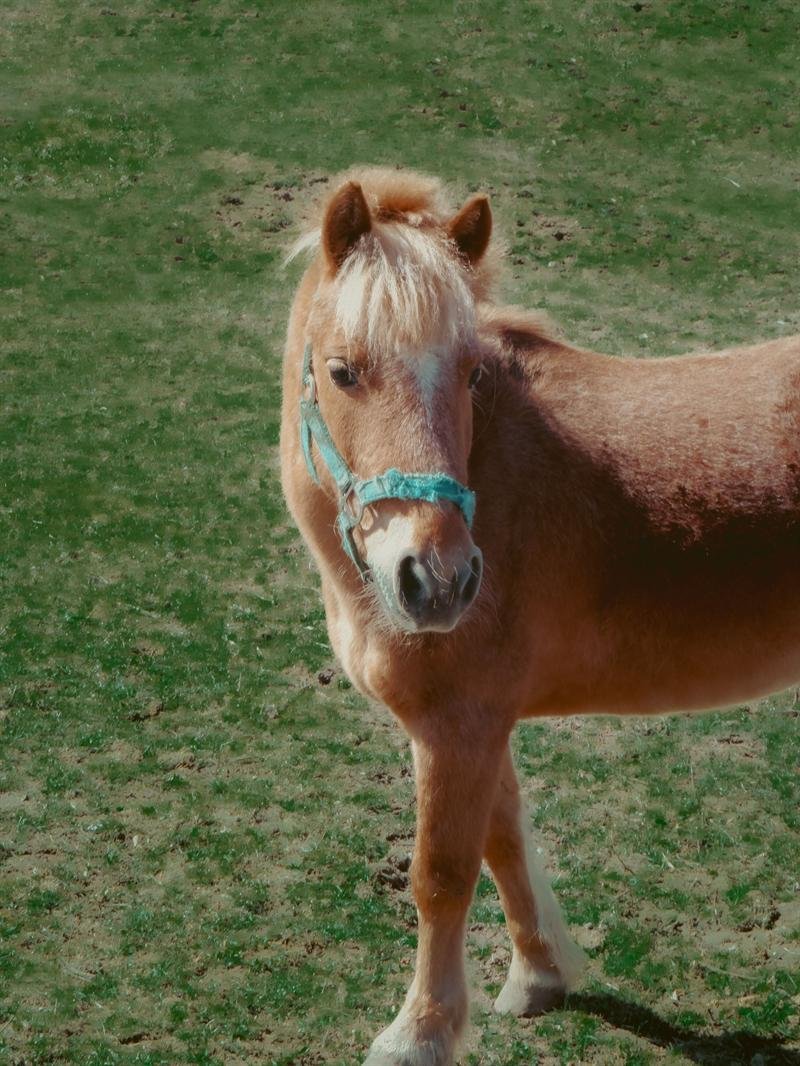
A first pony for a child needs to be calm, sensible, sound and the right size, and it is usually more important that it is experienced and reliable than young, pretty or cheap. Whether you buy or loan, always involve an experienced adult, have the pony vetted and make sure the child rides under adult supervision with correctly fitted safety wear.
What makes a good first pony
Choosing a first pony is a very different job from choosing a first horse for yourself. A child's confidence, safety and enjoyment depend almost entirely on the pony's temperament and training. The best first ponies are often older, experienced "schoolmasters" who have been there and done it, and who forgive mistakes without taking advantage.
Look for a pony that is:
- Calm and kind: it should stand quietly to be tacked up and mounted, and cope with traffic, clippers, vets and farriers.
- Genuinely well-schooled: responsive to the aids without being sharp or strong.
- Sound and healthy: free of lameness or health problems that will cause worry or expense.
- Good to handle on the ground: easy to catch, lead, groom and load.
- Proven with children: ideally with a history of carrying beginners or young riders safely.
- Not too clever or too young: a very young or green pony needs an experienced rider, not a learner.
A common saying in the horse world is that a child and pony should both be learning, but not at the same time. A beginner child with a green pony is a risky pairing.
Choosing a first pony: size and temperament
When people ask about the best first pony size and temperament, the honest answer is that it varies with the child's age, weight, height and ability. Ponies are measured in hands, and the usual categories are small (up to about 12.2hh), medium and larger ponies. As a general principle, a child should be able to sit comfortably, with their legs hanging naturally beside the pony's sides, without looking lost or dwarfing the pony.
- A child's weight matters as well as height. A pony that is too small for the rider can be overloaded, and one that is too large can be hard to control.
- Avoid buying a pony for the child to "grow into". A pony that is too big can be difficult and sometimes frightening for a small child.
- Breed type can matter. Many native types make hardy, sensible first ponies, although individual character matters more than breed. See our pony breeds guide for more.
- Think about the child's temperament, too. A nervous child usually does best on a very steady, slow-reacting pony, while a more confident child may enjoy a little more spark.
| Question | What you want to see |
|---|---|
| Age of the pony | Mature enough to be experienced, but not too old to enjoy work |
| Behaviour when tacked up | Stands quietly, no biting, kicking or fidgeting |
| Behaviour with a child | Calm and tolerant, especially around legs and when mounting |
| Behaviour out and about | Sensible with traffic, other ponies and new surroundings |
| Behaviour in company | Content to be alone as well as with others |
Loan or buy a child's pony?
Many families decide between loaning and buying. Each has advantages, depending on how committed the child is and how much time and money you have.
- Loan: lets you find out whether the child (and the family) enjoys the commitment before you buy. It is usually cheaper at the start, and the owner may still pay for some costs, though arrangements vary. A written loan agreement is essential. See our loaning guide.
- Part-loan or share: the child rides a few days a week, which can be a gentle way to start. See sharing a horse.
- Buy: gives you full control, but also full responsibility for the pony's welfare, costs and eventual sale or retirement if the child grows out of it.
Whichever you choose, remember that children grow fast and lose or gain interest. Ask yourself what happens in two years' time if the child has outgrown the pony or moved on to other things.
How much does a first pony cost?
Many parents ask how much a first pony costs, and prices vary widely by region, age, training and type. As a cautious guide for 2026, purchase prices can run from a few thousand pounds for a sound, ordinary, experienced pony to considerably more for a well-bred or competition-experienced one. Very cheap ponies can be a warning sign, as they may have health or behaviour problems.
The purchase price is only the beginning. Running costs are what catch many families out.
- Keep: grass livery, DIY livery or full livery all cost very differently, and varies by region. See cost of owning a horse.
- Farrier: regular trimming or shoeing every 4 to 8 weeks or so, by a registered farrier.
- Vet, dental and vaccinations: routine care plus an allowance for emergencies.
- Insurance: third party liability at least, and often veterinary cover. See insurance.
- Tack and equipment: saddle, bridle, rugs, grooming kit and a child's riding hat and body protector.
- Lessons and transport: to help the child progress safely.
Vetting and checks before you commit
Always have a first pony vetted by a vet (RCVS-registered), even if the price is modest. A vetting tells you whether the pony is sound, and a pre-purchase examination protects you from costly surprises. Our vetting guide explains the process.
- Visit the pony more than once, at different times of day if you can.
- Ask an experienced, qualified instructor or a trusted horse person to come with you and try the pony first.
- Watch the pony being caught, tacked up, groomed and ridden, and see how it behaves when the child is around.
- Ask the seller about the pony's history, health, vaccinations, passport and microchip. All horses and ponies need a passport and microchip under DEFRA rules, so check the paperwork matches.
- Arrange a vetting before agreeing to buy, and check the pony's tack fits properly.
- Put the sale or loan terms in writing. See contracts.
Safety, supervision and support
A pony is not a toy. Children should always ride and handle ponies under adult supervision, particularly in the early stages, and they should never be left alone with a pony. A well-fitted, current-standard riding hat, body protector, suitable boots and gloves should be worn every time. A hat should be properly fitted and replaced after any significant knock. Our young riders safety guide covers what to wear.
Lessons at a BHS-approved riding school or a Pony Club centre help children and parents learn to handle, ride and care for a pony properly. Joining the Pony Club offers instruction, friendships and support for first-time pony families. A qualified instructor can also help judge whether a particular pony is a good match.
Frequently asked questions
What is the best first pony for a child?
The best first pony is a calm, experienced and sound pony of the right size for the child, ideally one that has already carried young riders safely. Temperament and schooling matter more than breed.
What age pony is best for a beginner?
Usually a mature pony, often somewhere between the mid-single-digits and the teens, as it has experience and a settled temperament. Age alone is not a guarantee, so assess each pony individually.
Should I loan or buy my child's first pony?
Loaning or part-loaning is a sensible way to test commitment and costs, while buying gives full control and responsibility. Both need clear written agreements.
How much does a first pony cost to keep?
Monthly costs vary by region and type of livery, but you should budget for keep, farrier, vet, insurance and equipment on top of the purchase price. Our cost guide gives more detail.
Does a first pony need to be vetted?
Yes. A vetting by an RCVS-registered vet checks soundness and health, and helps you avoid expensive problems later.
What safety gear does a child need?
A correctly fitted, up-to-date standard riding hat, a body protector, boots with a small heel and gloves, plus adult supervision whenever the child is around the pony.
Useful official resources
- The British Horse Society Riding safety and approved centres.
- The Highway Code: rules for horse riders (gov.uk) Rules for riding on the road.