
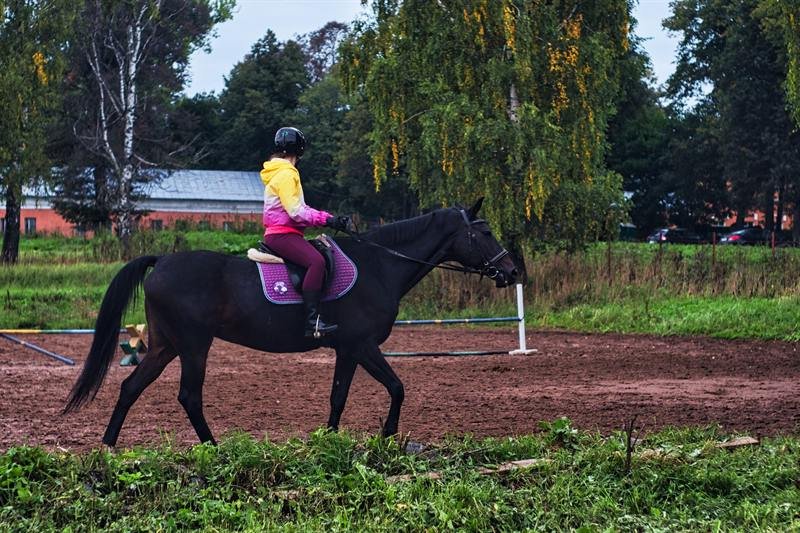
Handy Pony is a timed or judged course of practical obstacles, such as opening a gate, crossing a bridge or backing through poles, that tests how obedient, calm and willing a pony is and how well rider and pony work together. It is a favourite class for children at Pony Club rallies, riding club events and local shows, and because it rewards accuracy and trust rather than raw speed, it suits ponies and riders of almost every level.
What is Handy Pony?
A Handy Pony class asks a child and pony to complete a set course of obstacles in a set order. Some classes are judged against the clock, often with time penalties for refusals, missed obstacles or knocked items. Others are judged on style, with marks for how smoothly and calmly each task is done. Many combine the two. Rules vary by organiser, so always read the schedule and listen to the briefing on the day.
Classes are often split by age or experience, and some shows run lead rein sections where a parent or helper leads the pony round. The obstacles copy everyday jobs a well-schooled pony should manage out hacking or around the yard, so it is useful training even if you never compete. It sits alongside other games you might meet at a rally; for faster, team-based racing, see our guides to mounted games and gymkhana games.
Common Handy Pony obstacles and how to ride them
No two courses are the same, but these obstacles turn up often. The organiser decides exactly what counts as completing each one, so check at the course walk.
| Obstacle | How to ride it | What it tests |
|---|---|---|
| Gate (open and shut while mounted) | Approach parallel to the gate, halt, unlatch with one hand, keep hold of the gate as you ride through, turn and close it without letting go | Standing still, moving sideways off the leg, rider coordination |
| Bridge or ramp | Approach straight in a steady walk, look ahead, keep the leg on and let the pony lower his head to look | Trust, straightness, confidence on a strange surface |
| L-shaped backing poles | Ride in forwards or back in as the course says, halt square, then rein back one step at a time, using your weight and leg to steer round the corner | Rein back, fine control, patience |
| Posting a letter | Halt beside the post box close enough to reach without leaning, post, then ride on calmly | Halting accurately, standing still |
| Carrying a flag or cup between barrels | Collect the item, hold it in the outside hand away from the pony's eye, ride a smooth line to the next barrel and place it down | One-handed riding, steering, pony's tolerance of objects |
| Sack or bucket to pick up | Halt alongside, keep one hand on the reins, pick up the item and carry it without swinging it near the pony's legs | Balance, standing still, rein control |
| Tarpaulin or plastic sheeting | Walk on straight and steady, look up, and give the pony time to look before stepping on | Bravery, trust in the rider |
| Narrow corridor | Line up well before the entrance, keep both legs on evenly and ride straight through without touching the sides | Straightness, accuracy |
| Small jump | Approach in a balanced, active pace on a straight line, look beyond the fence | Rhythm, willingness |
| Dismount and lead over poles | Halt, dismount safely, run up stirrups if instructed, lead from the near side with the reins over the head and walk over the poles | In-hand manners, rider's practical skills |
| Hanging curtain or streamers | Walk through slowly and straight, keeping a soft contact and a quiet seat | Trust, tolerance of touch overhead |
| Water tray | Ride a straight, positive approach at walk and let the pony look down, then praise once through | Confidence, obedience |
How to train for Handy Pony at home
The secret to a good Handy Pony round is preparation done calmly over weeks, not a rushed practice the night before. Every obstacle can be built up in small steps, and the same three principles apply to all of them.
- Groundwork first. Introduce new objects in hand before you ride them. A pony that has walked over a tarpaulin or through streamers with you on foot is far more likely to do it with a child on top. Our guides to groundwork and groundwork games explain how to start.
- Approach and retreat. Walk towards the obstacle until the pony shows the first sign of worry, pause, then walk away before he gets anxious. Come back a little closer each time. This teaches him that strange things are not dangerous and that you will not force him into trouble.
- A calm reward. When he steps forward, stands still or takes one good step back, release the pressure straight away and give a quiet pat or a kind word. Short sessions that end on a success work better than long ones that end in an argument.
Training ideas by obstacle type
- Spooky surfaces (tarpaulin, plastic, water trays): start with a folded tarpaulin or an empty tray on the ground, let the pony sniff it, then gradually unfold it or add a little water. Weigh down the edges so nothing flaps or slides.
- Things overhead or touching (curtains, streamers): begin with a few strips tied well apart so the pony can see through, and add more as he relaxes. Lead him through first.
- Standing still (gate, letter box, pick-ups): practise halting and waiting in everyday riding. Count to five, then ten, before moving off. A pony that stands patiently makes every task easier.
- Rein back: teach it in hand first with a light backward pressure and a voice cue, rewarding a single step. Then ask from the saddle in a straight line between two poles before trying the L-shape.
- Carrying objects: let the pony see and sniff the flag or bucket, then hold it while mounted at halt, then at walk. Keep it away from his face and never wave it.
- Straightness (corridors, bridges): lay two poles wide apart and ride between them, then bring them closer over several sessions.
If your pony is generally nervous of new things, our guides to building confidence and spooking give more background. For more practice ideas, see pony games at home.
Course walking and riding strategy
Walking the course is the single most useful thing you can do on the day. Go round with a parent or instructor before the class starts, if the organiser allows it, and plan each part.
- Learn the order of obstacles and say it out loud so you can remember it.
- Check exactly what each obstacle requires: which side of the gate to open, whether you back into the L or ride in forwards, and what happens if you drop an item.
- Plan your lines between obstacles so you arrive straight and balanced, not cutting corners.
- Look at anything your pony might find spooky so you can give it a wider, calmer approach.
When you ride, accuracy beats speed. A refusal, a missed obstacle or a dropped item usually costs more than a few seconds saved by rushing. Ride each obstacle as a separate small task, finish it properly, then look for the next one. If something goes wrong, stay calm, sit up and try again.
Kit and safety
Handy Pony is usually ridden at a gentle pace, but the normal safety rules still apply. Every rider needs a correctly fitted riding hat that meets a current recognised safety standard, fastened every time, plus boots with a small heel and suitable clothing. Check the schedule for any specific hat rules or a requirement for a body protector, especially if the course includes a jump. Gloves help with grip on gate latches and ropes. For full kit advice, see our young riders safety guide.
- Use well-fitting tack in good repair, and make sure the reins are not so long that loops could catch on obstacles.
- When building practice obstacles, avoid anything sharp, heavy, breakable or easily tangled. Secure tarpaulins so they cannot blow up.
- Always practise new obstacles with an experienced adult present.
- Know how to dismount quickly and safely, and how to lead correctly, before you try any dismount tasks.
Pony welfare comes first
A good Handy Pony round shows a pony who is relaxed and willing, so his wellbeing is part of the goal, not an extra. Keep training sessions short and varied, and stop on a good note. Never hit or kick a pony for being worried by an obstacle; fear is not naughtiness, and punishment makes the next attempt harder. If a pony suddenly refuses things he used to do happily, consider whether he might be sore or unwell and ask an adult to check, involving a vet if needed. On show days, make sure he has water, shade and rest between classes, and do not ask him to do the same course over and over.
Related activities: TREC and working hunter
If your pony enjoys Handy Pony, you may like other activities that reward a practical, sensible partnership. TREC is a sport based on skills used on long-distance riding, and it includes a section over obstacles that will feel familiar. Working hunter classes in showing combine a round of natural-style jumps with how the pony goes and looks. Your Pony Club branch or local riding club can tell you what runs near you.
FAQs
What is a Handy Pony class?
It is a course of practical obstacles, such as gates, bridges and rein back poles, ridden against the clock or judged on style. Rules vary by organiser, so check the schedule.
Is Handy Pony good for nervous riders?
Yes, often. Much of it is done in walk and rewards care and accuracy, so it is a good first competition for a nervous child on a sensible pony.
Do I need a special pony for Handy Pony?
No. Any calm, well-mannered pony of a suitable size for the rider can take part. Obedience and trust matter far more than breed or speed.
How do I teach my pony to go over a tarpaulin?
Start in hand with it folded small, let him look and sniff, use approach and retreat, and reward every step forward. Only ride it once he walks over calmly on foot.
Is Handy Pony a race?
Some classes are timed, but penalties for mistakes mean a careful, accurate round usually beats a fast, messy one. Judged classes focus on how smoothly each task is done.
Can I practise Handy Pony at home?
Yes. Poles, cones, a tarpaulin, a bucket and a safe gate are enough to start, as long as an experienced adult supervises and everything is safe and secure.
What should I wear for Handy Pony?
A correctly fitted riding hat to a current safety standard, riding boots, gloves and comfortable clothing. Check the schedule for any extra rules, such as a body protector for jumping.
Useful official resources
- The British Horse Society Riding safety and approved centres.
- The Highway Code: rules for horse riders (gov.uk) Rules for riding on the road.