
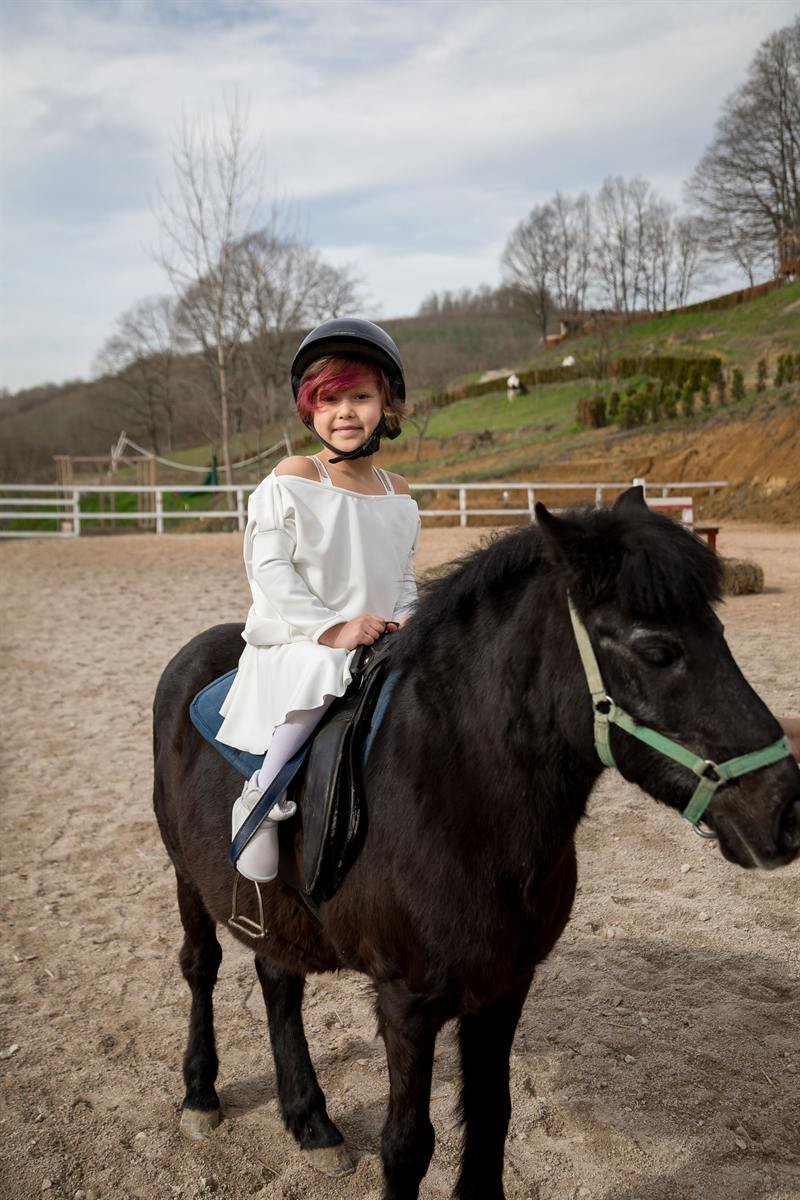
Gymkhana games are individual races and fun classes on ponies, such as bending, the potato race, musical mats and chase me Charlie, run at local shows, riding clubs, Pony Club branches and yards across the UK. They are usually more relaxed than team mounted games, so they are a great first taste of competing for young riders. This guide explains the classic classes, how to enter your first gymkhana, and how to run a safe, well-organised one of your own.
What is a gymkhana?
In the UK, a gymkhana is a set of games and fun classes, usually held as part of a local show or as an event in its own right at a riding club, Pony Club branch or livery yard. Riders normally compete as individuals, one heat at a time, with rosettes for the placings. The atmosphere tends to be friendly and informal, and many classes are open to beginners on the lead rein as well as more confident riders.
Gymkhana games are related to team mounted games, which are more structured, faster and played to set rules with specialist equipment. If your child catches the bug, see our guide to mounted games. For gentle games to play in lessons, rallies or at home, see riding games for children.
Classic gymkhana classes
Every show runs its games slightly differently, so always read the schedule and listen to the steward’s briefing on the day. These are the classes you are most likely to meet.
| Class | How it usually works | Level | Kit needed |
|---|---|---|---|
| Bending | Weave in and out of a line of poles or cones, turn at the end and weave back. Missing a pole usually means going back to correct it. | All levels, from lead rein at walk upwards | Bending poles or tall cones |
| Potato race | Collect a potato from a bucket or cone and drop it into another bucket, repeating until all are moved. | Beginner to confident | Buckets, potatoes or soft balls |
| Apple bobbing | Ride to a bucket of water, dismount, take an apple out with your teeth (no hands), then remount or lead back. | All levels, dismounted element | Water buckets, apples, a helper to hold ponies if needed |
| Musical sacks or mats | Ride round while music plays. When it stops, dismount and get to a sack or mat. One is removed each round until one rider is left. | Beginner to confident | Sacks or mats, music and speaker |
| Walk, trot and lead | Ride a stretch at walk, the next at trot, then dismount and lead or run the last stretch. Breaking pace usually means turning a circle or being placed lower. | Beginner to intermediate | Markers for each section |
| Chase me Charlie | Riders jump a single small fence in turn. The fence goes up between rounds and anyone who knocks it down or refuses is eliminated. | Confident riders who can jump safely | Wings, poles and cups, ideally safety cups |
| Handy pony | A course of practical tasks, such as opening a gate or carrying an item, judged on time, neatness or both. | All levels, depending on the course | Course obstacles set by the organiser |
| Fancy dress | Rider and pony dress up and parade in front of a judge. Costumes must be safe for both. | All levels | Costume; nothing that flaps, rustles or blocks the pony’s vision |
| Leading-rein games | Simpler versions of the races for small riders, with an adult leading the pony. | Youngest and newest riders | Lead rope or lead rein, plus the race equipment |
Handy pony is popular enough to have a guide of its own: see handy pony for course ideas and tips.
Entering your first gymkhana
Finding local shows
Gymkhanas are often advertised through riding clubs, Pony Club branches, local riding schools, tack shops, yard noticeboards and local social media groups. Many summer shows include a gymkhana ring alongside showing and jumping classes. Joining a riding club or Pony Club branch is one of the easiest ways to hear about them; see Pony Club and riding clubs.
Reading the schedule
The schedule lists the classes, any age or height restrictions, start times, entry fees and whether hats and body protectors must meet particular standards. Check whether entries are taken on the day or must be made in advance, as this varies between shows. Some take both, sometimes with a different fee for late entries. If anything is unclear, contact the organiser before the day rather than guessing.
What to bring: checklist
- Riding hat meeting the standard stated in the schedule, with a tag if the organiser requires one
- Body protector if required or advised, and suitable boots and gloves
- Your pony’s passport, which may be checked
- Clean, well-fitting tack, plus a headcollar and lead rope
- Water, a bucket and a haynet for the pony
- A basic human and equine first aid kit
- Grooming kit, fly spray and a cooler or rug suited to the weather
- Food, drinks, sun cream and waterproofs for the people
- Money for entries and a pen to note class numbers
Preparing your pony
Practise the skills at home first: halting and moving off promptly, steering round cones, being led from both sides, and standing while the rider gets on and off. Mounting quickly from the ground is useful in many races, so practise it slowly and safely with help. Introduce sacks, buckets and music gradually so nothing at the show is a surprise. Our guide to pony games at home has ideas for practice sessions.
Running a gymkhana at your yard or riding club
A small gymkhana is a lovely way to bring a yard or club together. Good planning keeps it safe and stress-free.
- Plan early. Agree a date with the venue owner, set a rain date or a wet-weather plan, and decide who the gymkhana is for and what levels you will cater for.
- Check the ground. Use a level, enclosed area with good footing and no holes, stones or hazards. Plan separate areas for warm-up, collecting ring, parking and spectators.
- Recruit stewards and helpers. You will need people to run the collecting ring, reset equipment, judge, time, keep scores and look after the entries table. Brief everyone beforehand.
- Arrange first aid cover. Have suitably trained first aid cover on site throughout, a clear plan for calling emergency services, and a vehicle access route kept clear. Know how to contact a vet quickly. See first aid.
- Check insurance. Check with the venue and with your club, Pony Club branch or organising body what cover is in place and what is needed for an event like this before you advertise it.
- Write a schedule. List classes, any restrictions, safety kit requirements, entry arrangements, fees and start times, and say clearly that the organiser’s decision is final.
- Gather equipment. Bending poles or cones, buckets, potatoes or soft balls, sacks or mats, jump wings, poles and cups, a music player and speaker, a stopwatch, flags or markers, a table, entry sheets, numbers and pens.
- Set the class order. Start with leading-rein and beginner classes while ponies are fresh and calm, move to faster games later, and put jumping classes where the course can be built without long delays. Build in breaks.
- Sort out rosettes and prizes. Order rosettes in good time, decide how many places each class will award, and consider rosettes for every lead-rein rider or for good sportsmanship.
- Tidy up and review. Clear all equipment and litter, thank helpers, and note what worked and what to change next time.
Helping a nervous child or pony
Gymkhanas can be busy and noisy, which is exciting for some children and ponies and overwhelming for others.
- Start with one or two classes rather than the whole programme, and choose slower ones such as leading-rein bending or walk, trot and lead.
- Arrive early so the pony can look around and settle before the crowds build.
- Let a nervous child watch a heat first so they know exactly what will happen.
- Ask whether a helper can lead the pony, or whether the child can ride at walk while others go faster.
- Keep a nervous pony at the edge of the collecting ring, away from crowded gates, and give it space from other ponies.
- Celebrate finishing, not winning. A calm clear round of bending is a real achievement.
- If either the child or the pony is unhappy, it is fine to stop. There will be other gymkhanas.
Pony welfare and safety
Games are fast and exciting, so the pony’s wellbeing has to come first.
- Only compete on a pony that is sound, fit for the work and suited to the classes. Tight turns, sudden stops and repeated mounting are demanding.
- Check the tack fits well and is in good condition, and that stirrups and girths are safe for quick mounting and dismounting.
- Limit the number of classes, rest the pony between them and offer water regularly, especially in warm weather.
- Look for signs of stress or tiredness, such as sweating heavily, refusing to stand, tail swishing or becoming difficult to handle, and stop if you see them.
- Never kick, hit or yank a pony in the heat of a race. Most shows will eliminate riders for rough riding.
- Children should wear a correctly fitted hat at all times when mounted and follow the show’s rules on body protectors. See safety.
- Keep ponies well spaced in the collecting ring, and keep spectators, dogs and pushchairs behind the rope.
For everyday care before and after a show, see pony care.
FAQs
What is the difference between gymkhana and mounted games?
Gymkhana games are usually individual races and fun classes at local shows. Mounted games are typically team-based, faster and played to more formal rules with specialist equipment.
Can a beginner enter a gymkhana?
Yes. Many gymkhanas include leading-rein and beginner classes. Check the schedule for suitable classes and ask the organiser if you are unsure.
Do I need to enter in advance?
It depends on the show. Some take entries on the day, some only in advance and some do both. The schedule will say.
What should my child wear to a gymkhana?
A riding hat meeting the standard in the schedule, suitable riding boots, gloves and comfortable clothes. Check whether a body protector is required. Smart show clothes are not usually needed.
Does my pony need special kit?
Usually just well-fitting, safe everyday tack. Some shows ban certain equipment in games classes, so check the schedule.
How many classes should we enter?
For a first gymkhana, two or three is plenty. Rest your pony between classes and stop sooner if either of you is tired.
Can we run a gymkhana at our yard?
Yes, with the venue owner’s agreement, suitable ground, enough helpers, first aid cover and the right insurance, which you should check with the venue and your organisation.
Useful official resources
- The British Horse Society Riding safety and approved centres.
- The Highway Code: rules for horse riders (gov.uk) Rules for riding on the road.