
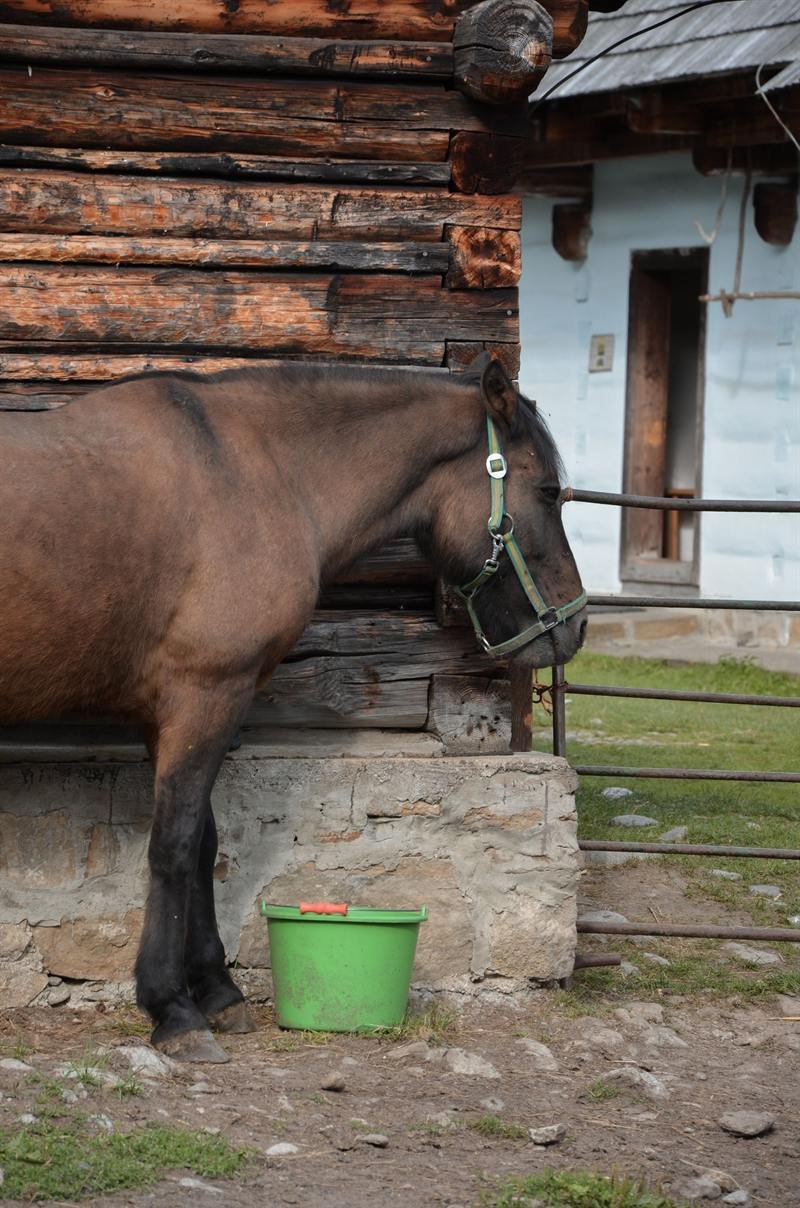
A horse typically drinks a large volume of water each day, often around 25 to 50 litres, and more in hot weather or when working hard, so a horse water bucket needs to be big enough and always clean. Choose sturdy, rounded buckets that are easy to scrub and fixed so a horse cannot kick or step in them.
How much water does a horse need?
Water intake varies with the horse's size, diet, workload, temperature and whether he is lactating. A figure of roughly 25 to 50 litres a day is common for an adult horse, but individuals differ. Horses eating mostly dry hay or haylage drink more than those on lush grass, and a hard-working or sweating horse needs more again. Fresh, clean water should be available at all times, unless your vet has told you otherwise for a specific reason.
The practical lesson is that your set-up must hold enough to last between checks. A single small bucket in a stable overnight is rarely enough for a big drinker, which is why many owners use two buckets or an automatic system. See water systems for options that reduce the daily workload.
Stable water buckets: types
- Flat-backed buckets: sit neatly against a stable wall, take up less space and are easier to clip.
- Round buckets: versatile and easy to clean, usable anywhere.
- Heavy rubber buckets: hard to tip, chew-resistant and good in cold weather.
- Collapsible or travel buckets: lightweight for shows and trips, not for permanent stable use.
- Automatic drinkers: refill themselves and reduce labour, but need regular checking and cleaning because a blocked or frozen unit can leave a horse without water.
In the stable, you generally want two buckets for backup, placed so one cannot be knocked over onto the other. Put them in a corner away from the door and, where possible, away from the feed bucket so droppings and feed do not fall in.
Horse water trough options
A horse water trough is the standard answer for the field. Troughs should be big enough for the herd, positioned on firm, well-drained ground and fitted so horses cannot get a leg or head trapped. Look for a smooth interior, a drain plug you can reach easily, and a design with no sharp edges. Fill-and-forget systems are convenient but must still be scrubbed, because algae and debris collect in even the cleanest-looking trough.
| Option | Good for | Drawback |
|---|---|---|
| Bucket in the stable | Easy to monitor intake and refill | Needs frequent refilling; can be tipped |
| Automatic drinker | Saves time, constant supply | Harder to monitor intake; can fail or freeze |
| Field trough | Shared supply for turnout | Needs scrubbing; can freeze or grow algae |
| Rubber tub | Hard-wearing and portable | Can hold dirt in scratches |
Capacity and sizing
Standard buckets hold around 10 to 15 litres, while larger muck buckets carry 20 litres or more. Think about your horse and routine: a big drinker or one stabled all day needs more capacity than a pony turned out at grass. Pony-sized buckets can be easier for small horses to reach. Check the bucket's height and depth so your horse can drink without pushing his nose against the bottom, and so you can lift it when full.
What to look for when buying
- Smooth, rounded interior, so algae and debris cannot hide in corners.
- A thick rim and strong handle that will not snap when full.
- Food-safe, UV-resistant plastic or rubber that does not crack in frost.
- A weight that is manageable for you when full.
- A secure fixing option, such as a hook or clip on the wall or a stand.
- Bright colours to avoid trips and make it easy to spot dirt.
How to stop water freezing for horses
Frozen water is a welfare problem, because a horse that cannot drink is at higher risk of dehydration and digestive trouble such as impaction colic. See colic and winter care for more on keeping horses well in the cold.
- Check water first thing, last thing at night and at least once more during the day in freezing weather.
- Break ice and remove it from troughs, then top up with fresh water. Tepid water is often more appealing than icy water.
- Choose rubber or insulated buckets, which freeze more slowly than thin plastic.
- Float a ball or a piece of insulating material on a trough to slow ice forming, and keep the trough sited out of the wind where possible.
- Fit lagged pipes and frost protection to automatic drinkers and taps, and use only electrical equipment designed for outdoor or stable use, installed by a qualified electrician.
- Have a backup plan, such as spare buckets and a way to carry water, in case a pipe freezes or the supply fails.
Keeping water clean year-round
Empty, scrub and refill buckets daily. Use hot water and a stiff brush, and occasionally use a suitable animal-safe disinfectant, then rinse thoroughly so no residue remains. In summer, place troughs in shade and check them twice a day, as algae grows fast and water warms quickly. Remove dead leaves, insects and any droppings promptly. If your horse suddenly refuses water that he normally drinks, check for taints such as cleaning products, rust or a dead animal in the trough.
Travelling and competing
Some horses refuse unfamiliar water at shows. Offering a drink regularly and carrying a collapsible bucket is sensible, and some owners take water from home in a clean container for fussy drinkers, which can help on longer journeys. Always offer water at breaks and after work, as long as your horse is cooled sufficiently, and ask your vet for advice if your horse has a history of not drinking when away.
Fixing water buckets safely
A bucket on the floor can be stepped in, kicked over or sat on by a cast horse, while one hung too low can catch a hoof. Many owners use a secure ring or hook at about chest height, or a sturdy holder fixed in a corner, and check that nothing protrudes on the stable side. If you use floor buckets, choose heavy rubber ones, and keep an eye on any horse that paws or plays with water. Whatever the system, run your hand around the rim and fixings during your daily check to catch cracks, splits and loose bolts early.
FAQs
How much water does a horse drink a day?
Often around 25 to 50 litres, more in hot weather, when working or when lactating. Always have fresh water available.
How often should I clean water buckets?
Daily scrubbing is ideal, with a full refill at least twice a day in warm weather.
Is it safe to leave a bucket in the field?
Fixed troughs are safer than loose buckets. A loose bucket can become a hazard and is easily tipped or lost.
Should I add anything to the water?
Only if your vet or nutritionist advises it. Plain, fresh water is best for most horses. Our electrolytes guide explains when they are useful.
What is the best way to stop water freezing?
Check often, break ice, use rubber or insulated containers, and keep a backup supply. Lag any pipes and use safe, approved heating equipment.
Why is my horse not drinking?
It could be cold water, a taint, stress or illness. If it continues, or he seems unwell, call your vet.
Useful official resources
- Society of Master Saddlers Find qualified saddle and bridle fitters.
- BETA The British Equestrian Trade Association.
- British Horse Society: horse care and welfare Care advice for horse owners.