
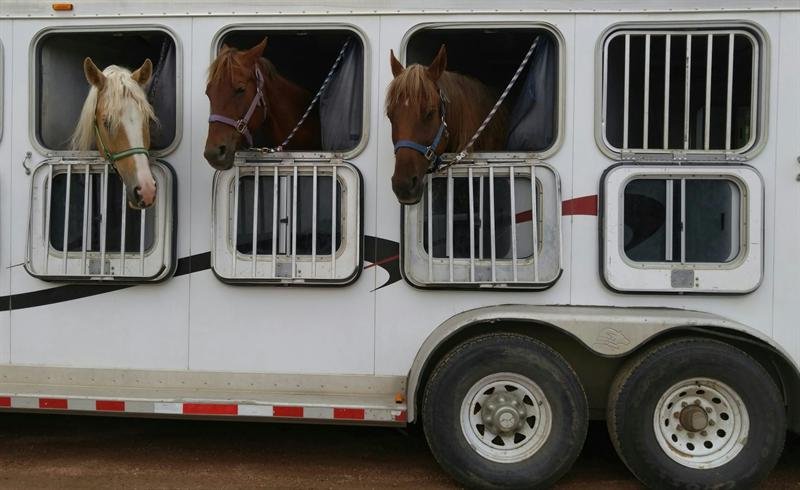
When you search for horse transport near me, choose a horse transporter who is legally authorised, insured, experienced and happy to show you the vehicle before the journey. Take your time over this choice, because a poor journey can leave a horse stressed, injured or unwilling to travel again.
Find horse transport services by region
More regions are being added. Run a business that should be here? List it for free.
Types of horse transport service
Horse transporter UK services vary a lot, so it helps to know what you actually need before you ask for quotes.
- Professional horse transporters: companies and individuals who move horses for payment, from local trips to long-distance and international journeys.
- Horse box hire: you hire a lorry or trailer and drive it yourself. You will need the right driving licence entitlement for the weight of the vehicle, plus experience of handling it.
- Horse delivery service: usually used for sales, loans and livery moves, where a transporter collects a horse from one yard and delivers it to another.
- Competition and event transport: some firms run regular lifts to shows or take horses to specific events, which can be cheaper than a private trip.
- Emergency and veterinary transport: for example, taking a horse to a hospital. Ask your vet whether they recommend a transporter familiar with sick or injured horses.
Legal requirements
Transporting horses in the UK is covered by animal transport welfare legislation, including the Welfare of Animals (Transport) Order 2006 in England and equivalent rules in the other nations. Anyone transporting animals as part of an economic activity generally needs a transporter authorisation, with different types depending on the length of journey, and drivers on longer journeys need a certificate of competence. Vehicles must be suitable for the journey and loaded to avoid injury. Owners moving their own horses without payment are generally treated differently, but must still ensure they are fit to travel and avoid unnecessary suffering. Rules are detailed and can change, so check current guidance with your local authority or Defra.
You will also need a passport for the horse, as explained in our guide to horse passports and microchipping. For wider obligations, see horse ownership and the law.
What to check about the vehicle and driver
- A clean, well-maintained vehicle with non-slip flooring, good ventilation and secure partitions.
- Padded partitions and breeching bars or other safe restraint, with enough headroom for the horse.
- A driver who has handled horses for years and drives smoothly, particularly on bends and braking.
- Water available on the journey, and planned breaks on longer trips.
- Appropriate insurance for the vehicle, the driver and the horses in transit.
- A sensible plan for breakdowns, including how horses will be looked after if the vehicle stops.
Questions to ask
- Are you authorised under the transport welfare regulations, and can I see the paperwork?
- What insurance covers my horse in transit, and what are the excesses?
- How many horses will be on board, and will mine travel alone or with others?
- How do you handle nervous loaders, and what happens if my horse refuses?
- What will the total cost be, including tolls, waiting time and any return trip?
- What is your cancellation policy if the plan changes at short notice?
How much does horse transport cost?
Pricing is usually based on distance, number of horses and complexity. As a rough guide in 2026, short local journeys may start at roughly £30–£60, while longer trips are often charged by the mile and could cost several hundred pounds. Competition runs, ferry crossings or overnight stays cost more. Prices vary by region, season and the type of vehicle. Always request a written quote.
| What affects the price | Why |
|---|---|
| Distance | Fuel, driver time and wear on the vehicle all increase with miles. |
| Number of horses | Sharing a lift can lower the cost per horse. |
| Timing | Early starts, weekends and busy competition days may cost more. |
| Waiting time | Staying at a venue for the day is usually charged separately. |
| Special handling | Nervous loaders, stallions or unwell horses may need extra time and care. |
| Return journey | Check whether the quote covers one way or both. |
Preparing your horse for a journey
- Check your horse is fit to travel. If they are unwell, lame or recovering from illness, ask your vet first.
- Make sure the passport is accessible and the horse's details match the paperwork.
- Practise loading well beforehand if your horse is worried.
- Prepare protective gear if you use it, and test the fit at home. See horse boots for options.
- Offer a small hay net and water on longer trips, as agreed with the transporter.
- Give the driver your contact details, your vet's number and any special instructions.
Booking tips
Book as early as you can for busy dates such as competition weekends, and confirm details in writing, including pick-up and drop-off addresses, times, the number of horses and the agreed price. Make sure access is suitable for a large vehicle, with space to turn and safe, non-slip ground for loading. If you are selling or buying a horse, agree who is responsible for the horse during transit.
On the day of travel
A calm, organised start makes a big difference. Arrive in good time so nobody rushes the horse, and keep the loading area clear of clutter. Let the driver lead if they prefer, since experienced transporters often have their own way of loading that works with their vehicle. Check that the horse is tied or secured as the transporter advises, and that partitions are fastened before moving off.
Discuss the plan for the journey, including expected arrival time, rest stops and who to call if there is a delay. On long journeys, horses should be checked regularly, offered water and given a chance to rest as the regulations require. When you arrive, allow the horse time to settle and check them over for any signs of stress, heat, cuts or lameness. Offer water and forage, and keep an eye on appetite, droppings and temperature for the next day or two, particularly after a long trip.
If you have concerns about your horse's health after travelling, such as a cough, nasal discharge, heat or reluctance to eat, speak to your vet. Horses can be more vulnerable to respiratory problems after long journeys, so it pays to watch closely.
FAQs
Can I use a friend with a lorry?
Yes, but check their experience, vehicle condition and insurance, and agree what happens if something goes wrong.
Should my horse wear travel boots and a rug?
Many owners use protective boots or bandages and a suitable rug, adjusted for weather. Poor fit can cause problems, so test them beforehand.
Is my own insurance valid in transit?
Not always. Check your policy wording or ask your insurer.
How much does horse transport cost?
Local journeys may start at roughly £30–£60 in 2026, with longer trips charged by distance. Costs vary by region and service, so get a written quote.
Do I need a licence to hire a horse box?
Larger vehicles may need a particular driving licence entitlement, depending on the weight and when you passed your test. Check the hire company's requirements and the current rules before booking.
How do I know a transporter is legitimate?
Ask to see their authorisation and insurance, check references from other owners and visit the vehicle if you can. A genuine transporter will be happy to answer.
Useful official resources
- Farriers Registration Council Check a farrier is registered.
- RCVS Find a Vet Find a registered equine vet.
- Society of Master Saddlers Find a qualified saddle fitter.
- BAEDT Find a qualified equine dental technician.
Get your business listed
We're building the UK's most useful directory of horse transport providers. Run a horse transport business? List your business for free.