
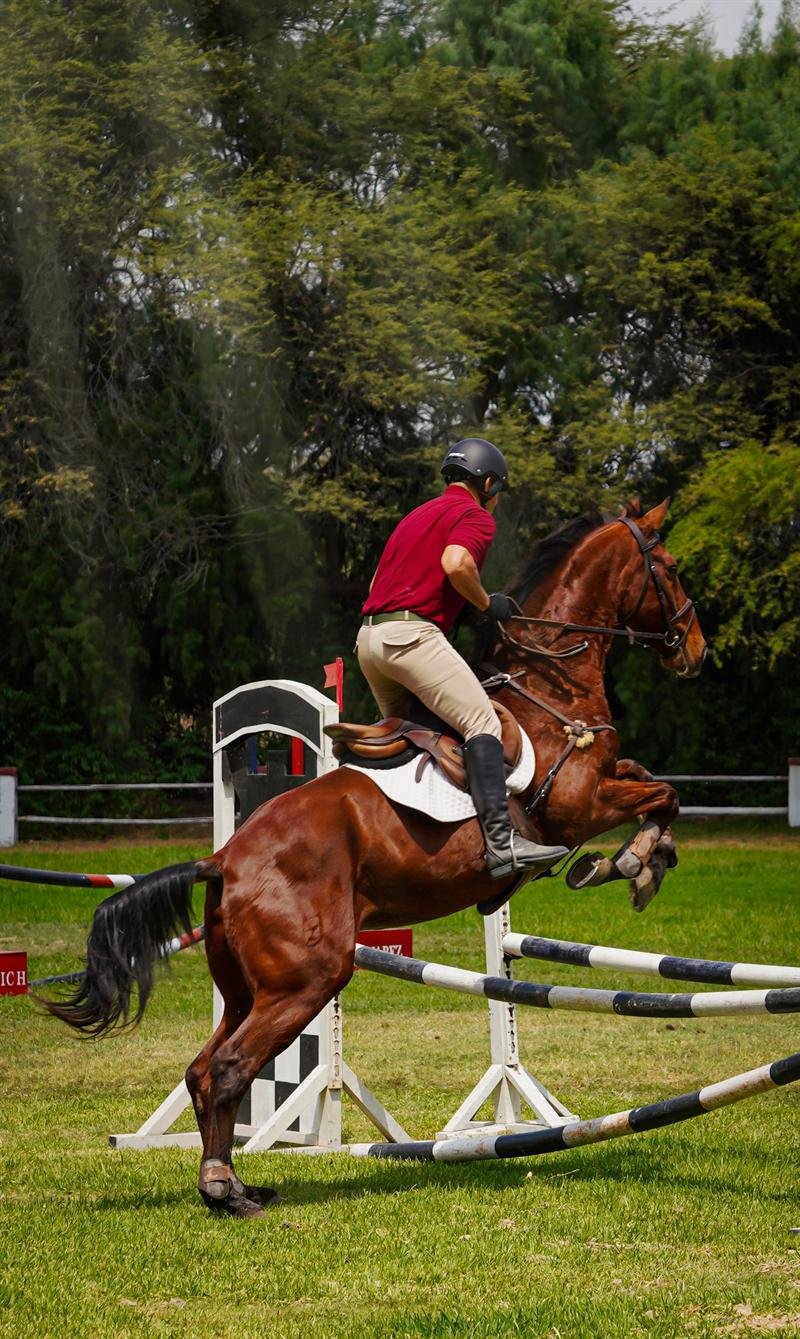
Equestrian competition rules in the UK differ between disciplines, but a handful recur everywhere: approved hat standards, horse passports and microchips, up-to-date vaccinations, controlled tack and strict welfare and medication rules. Reading the current rulebook and schedule for your discipline before you enter is the single best way to avoid disqualification.
This guide covers the horse show rules in the UK that catch out most newcomers, and shows you where to check the detail. It is a general overview only. Governing bodies update their rules regularly, so the current rulebook always overrides anything written here.
Rules that apply almost everywhere
- Hats: riders must wear a hat that meets a currently accepted safety standard, correctly fitted and fastened. Organisers such as British Eventing, British Dressage, British Showjumping and the Pony Club publish lists of acceptable standards, and many carry out "hat tagging" at events.
- Passports and identity: horses must have a passport and microchip under UK law. See passports and microchipping.
- Vaccination: affiliated competitions require up-to-date equine influenza vaccination, with specific rules about timing, so check your vaccination record. See vaccinations.
- Welfare: competition bodies set limits on whip use, abuse and over-tightening of equipment, and can eliminate or suspend competitors.
- Fitness to compete: a lame or unwell horse must not compete, and officials can refuse or stop a horse they judge unfit.
Riding hat standards for competitions
The standard of hat that is accepted changes as new standards are introduced and old ones are withdrawn from approved lists. A hat that was fine a few years ago may no longer be accepted, so do not assume. Check the current list published by your governing body, and look at the label inside your hat for the standard and any certification mark.
Hats should be:
- Correctly fitted, so that the hat does not move independently of your head.
- Fastened with the harness done up and adjusted every time you ride.
- Free from damage. Replace a hat after any significant impact, even if it looks fine, and follow the maker's guidance on age.
- Free of non-approved add-ons or alterations, as modifications can affect protection and acceptance.
Many disciplines also have rules about body protectors, particularly for cross-country, and about medical armbands. See riding safety for a wider look at protective kit.
Horse passport rules for competitions
Every horse in the UK needs a passport and a microchip, and organisers can ask to see them. At affiliated events the passport is checked for vaccination entries, and some events carry out random identity checks. Keep the passport somewhere safe, take it with you when you travel and make sure details are up to date. If your horse is not registered correctly, entries can be refused.
Passports also record important information about whether a horse has been treated with certain medicines, which is relevant to both food chain rules and competition medication rules.
Tack and equipment
Rules vary by discipline. In dressage, for example, bits, nosebands and whips are controlled, and stewards may check noseband tightness and condition. In showjumping and eventing, rules cover martingales, boots, studs, bit types and sometimes noseband type. Permitted equipment changes often, so always check the current rulebook before competing, especially if you have changed or bought new equipment recently.
| Question | Where to check |
|---|---|
| Is my hat acceptable? | The organiser's list of hat standards and the event schedule |
| Is this bit or noseband legal? | Your discipline's rulebook (BD, BS, BE or society) |
| Is my horse eligible? | Registration rules, height certificate and grade |
| Is my horse's vaccination valid? | The passport vaccination record and your governing body's timing rules |
| Can I give my horse this medication? | The anti-doping and medication rules; ask your vet |
Prohibited substances in horse competitions
Governing bodies run medication control programmes, and some common veterinary treatments, supplements and feed ingredients are controlled or prohibited at competitions. A substance can remain detectable for a long time after it was given. Contamination of feed or supplements is also a recognised risk, so be careful about what goes into your horse.
Sensible steps include:
- Tell your vet at the start of any treatment that you intend to compete.
- Check the current list of prohibited substances for your discipline and any required withdrawal period.
- Keep a clear record of everything your horse is given, including supplements, with dates.
- Be careful with supplements that claim to calm or boost performance, and read the labels.
- Never rely on advice from other competitors alone.
The rider or person responsible is usually accountable for what is in the horse's system, whoever gave it. For feeding concerns, see supplements.
Welfare, conduct and stewarding
Stewards check tack, dress, hats and welfare. You are expected to be courteous, to control your horse and to follow instructions. Excessive or abusive riding, harsh use of a whip, horses that are visibly distressed or lame and equipment that is too tight can lead to warnings, elimination or later disciplinary action. Appeals and complaints go through the organising body, and formal processes apply for serious breaches.
Common mistakes that cause problems
Most rule problems at shows are avoidable. The usual culprits are a hat that is out of date or no longer on the accepted list, a passport left at home, a vaccination booster given a few days outside the permitted window, and a piece of tack changed the week before without checking the rulebook. Another frequent issue is a new supplement or a short course of veterinary medication that nobody thought to check against the medication rules.
Build a habit of checking in the same order every time you enter: eligibility first, then the horse's paperwork, then your own kit, then the horse's tack, and finally anything the horse has been given in the last few weeks. If something is unclear, contact the show secretary or the governing body before the day, not at the ringside, because stewards cannot usually make exceptions on the spot.
Pre-show rules checklist
- Entry confirmed and schedule read, including class heights and closing dates.
- Passport, microchip and vaccination record checked.
- Hat in date, undamaged, correctly fitted and on the accepted list.
- Tack and equipment compared with the rulebook.
- Horse sound, healthy and not on any controlled medication.
- Rider membership and any horse registration in order.
FAQs
Do unaffiliated shows have the same rules?
Organisers set their own rules, though many follow affiliated rules for safety. Always check the schedule.
What happens if my hat is not allowed?
You will usually be asked to change it before you ride, or you may be refused entry, depending on the competition.
Does my horse need a passport to compete?
Yes. All horses need a passport and microchip under UK rules, and organisers may check them.
Can I compete a horse on veterinary medication?
Sometimes, but it depends on the substance and the rules for your discipline. Ask your vet and check the current medication rules before entering.
Who checks tack at shows?
Stewards. They may check equipment before or after a class, so make sure everything is legal and in good condition.
Where can I find the official rules?
In the rulebook published by your discipline's governing body, such as British Dressage, British Showjumping or British Eventing, and in each show's schedule.
Useful official resources
- British Showjumping Rules, classes and membership.
- British Eventing Levels, rules and entries.