
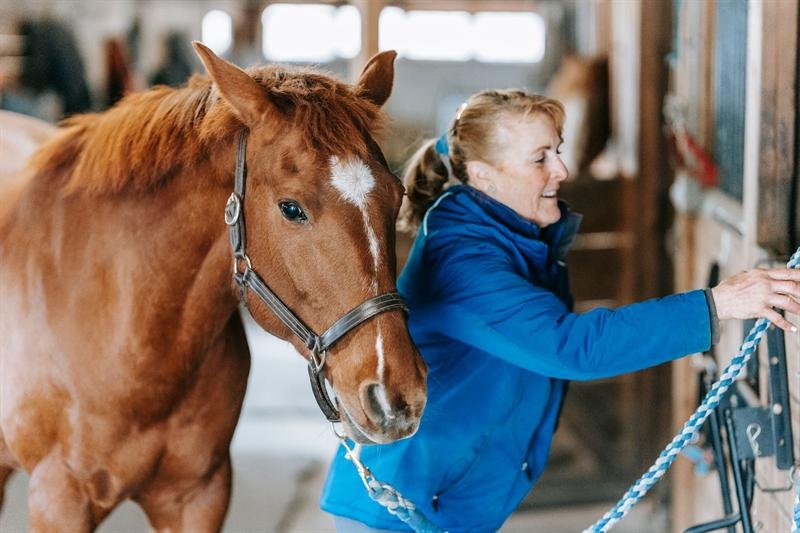
Horse box rest is the strict stable confinement vets prescribe after many injuries and illnesses, and it is followed by a graded rehabilitation plan that builds a horse back to work step by step. Recovery is where many horses are lost to re-injury, usually because they returned to work too fast or because box rest was badly managed, so a plan that follows your vet and responds to the horse on the day is vital.
This guide covers how to cope with box rest, keep a horse sane, follow a graded rehab plan and bring a horse back into work safely. Every injury is different, so your vet's instructions always come first.
What is box rest, and why is it used?
Box rest means keeping a horse confined to its stable, sometimes with short, controlled periods of walking in hand, so that injured tissue such as a tendon, ligament, bone, wound or surgical site can heal without being stressed. It may also be used after illness or surgery. The length depends entirely on the problem, from days to many months, and your vet will review it with rechecks, sometimes with scans.
It is demanding for a horse that lives for turnout and company, so good management matters as much as the confinement itself.
Box rest tips: keeping a horse sane and safe
Boredom, stress and a change of routine raise the risk of colic, ulcers, stocking up and explosive behaviour. Set the stable up carefully:
- Offer plenty of forage, little and often, using small-holed nets or several feeds in line with weight goals. See hay.
- Give a view and company. Put the horse where it can see neighbours or yard activity, ideally with a calm companion nearby.
- Provide safe distractions, such as a hanging toy, a lick or different ways of feeding, as your vet allows.
- Keep beds deep, clean and non-slip, and pick out several times a day. See bedding.
- Reduce hard feed. A horse not working needs much less energy, so ask your vet or a nutritionist about a suitable ration.
- Stick to a routine of regular times for feeding, grooming and checks.
- Spend time with the horse: grooming, scratching and quiet company all help.
Some horses become difficult to handle on box rest. If yours is at risk of hurting itself or you, speak to your vet about safe options rather than using sedatives or calming products of your own. Do not turn out a resting horse "just for ten minutes" without agreement, because the risk of re-injury is real.
A graded rehab plan for a horse
Horse rehabilitation usually follows a set plan with rechecks at each stage. A typical shape, which must be tailored to the injury, looks like this:
| Stage | Typical content |
|---|---|
| 1. Box rest | Little or no movement, protecting the injured tissue |
| 2. Walking in hand | Short daily sessions on firm, level ground, built up as directed |
| 3. Small paddock turnout | Only when your vet agrees, and perhaps with extra measures to keep the horse calm |
| 4. Ridden walk | Walking only on straight lines, building up in minutes |
| 5. Introducing trot and gentle schooling | Gradual increments, avoiding tight turns and deep surfaces |
| 6. Return to full work | Only after a final check with the vet |
The time spent at each stage varies, and the plan may stop or step back if the horse is sore. Never skip ahead because the horse looks well: a horse that feels good can overdo things and injure itself again.
Bringing a horse back into work after injury
When bringing a horse back into work after injury, think in terms of fitness as well as healing. A horse that has been confined loses muscle and stamina, and the tissue that has healed is not yet as strong as before.
- Follow your vet's plan exactly, including surface and time limits.
- Choose firm, even ground and avoid slippery, deep or uneven going.
- Increase the work gradually, changing only one thing at a time: time, speed or difficulty.
- Be ready to repeat a stage if the horse is sore or swollen the next day.
- Build up the strength in the muscles and topline with long, steady walk work before adding speed.
- Check hooves and teeth, and review saddle fit, because the horse's shape will change as muscle returns. See hoof care.
A physiotherapist working under veterinary referral can help with exercise plans. See equine physiotherapist. Groundwork in hand, such as long, calm walking and pole work if your vet allows it, is a useful bridge. See groundwork.
Monitoring progress and avoiding setbacks
- Check legs, wounds or surgical sites morning and evening for heat, swelling and discharge.
- Trot up on a firm surface at the intervals your vet recommends, and take a video each time to compare.
- Keep a daily diary of work done, behaviour, soreness and appetite.
- Do not progress if the horse is sore or swollen the next day. Step back and call your vet.
- Look after weight, hooves, teeth and mental health, all of which can slip during rest.
The emotional side of recovery
Recovery is hard on owners as well as horses. Weeks or months of box rest can feel endless, and it is easy to feel guilty or anxious about every small change. Setting short-term goals, such as the next recheck, helps you focus on the next step rather than the whole journey. Talk to your vet, your yard and your friends, and be honest about what you can manage in terms of time and money.
It also helps to plan the practicalities. Check what your insurance covers, how much you can afford in rechecks and rehabilitation, and who can help at busy times or while you are at work. If you share the care of the horse, make sure everyone has the same instructions. Ask your vet what outcome is realistic and what signs would tell you it is not going as hoped. That knowledge can make difficult decisions easier if they arise, and our guide to end-of-life decisions offers support if you need it.
Frequently asked questions
How long does horse rehabilitation take?
It varies widely, from weeks for minor injuries to many months for tendon and ligament problems. Your vet will give a realistic timeline.
How do I keep a horse calm on box rest?
Offer plenty of forage, a view and company, a steady routine and reduced hard feed. Ask your vet if the horse is struggling.
Can a horse on box rest have turnout?
Only if your vet agrees. Unplanned turnout is a common cause of setbacks.
How do I know my horse is ready for the next stage?
When the vet confirms it at a recheck, and the horse is sound, cool and comfortable the day after the previous stage.
Will my horse return to the same level?
Often, but not always. Ask your vet about the likely outcome. See retirement if the answer is difficult.
Useful official resources
- RCVS Find a Vet Find an RCVS-registered equine vet near you.
- British Equine Veterinary Association The professional body for equine vets.
- World Horse Welfare: advice Health and welfare guidance for owners.